
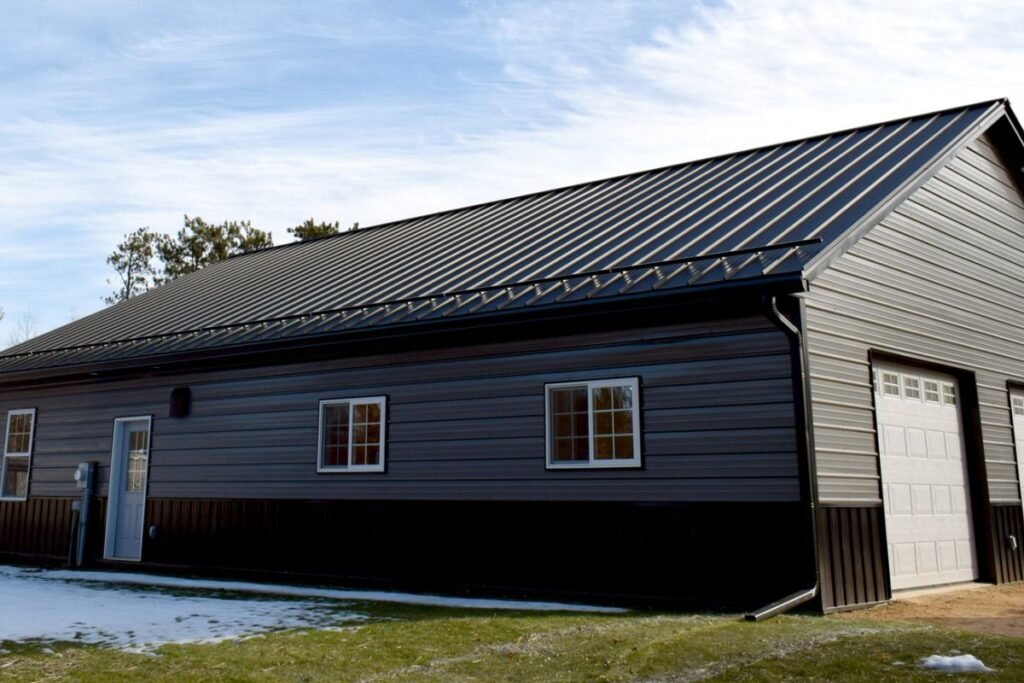
The first time you replace or build an exterior wall, you usually think about color, style, and how it will look from the street. A few years later, when paint starts peeling or panels start warping, the conversation changes to repairs, time, and money.
That is often the moment sustainability stops feeling like an abstract idea and starts feeling very practical and very personal. When metal siding panels enter that conversation, they do so not just as a design choice, but as a question about how long materials should serve you and what happens to them long after their first job is done.
Understanding What “Eco-Friendly” Really Means in Building Materials
What makes a building material eco-friendly?
When you hear the word eco-friendly, it is easy to picture a single green label or a marketing badge, but real sustainability is more complicated and more honest than that. A truly responsible building material considers where resources come from, how much energy is used to turn them into usable products, how long they last on your home, and what happens to them when their job is done.
You might think about it the way you think about a reliable appliance that lasts for decades instead of one that breaks every few years, because the longer something serves you, the less waste and replacement it creates over time. In this sense, eco-friendly is not just about being natural or trendy, but about reducing total impact across an entire lifecycle, from factory floor to final disposal or reuse.
The difference between green marketing and real sustainability
It is easy to get caught in the glow of words like green, natural, or earth-friendly, especially when every product description seems to promise a cleaner conscience. Real sustainability, however, asks harder questions about energy use, emissions, durability, and end-of-life options, not just about surface-level claims. You have probably seen products that look environmentally responsible at first glance but quietly require frequent replacement or heavy maintenance, which adds up to more waste and more resource use over time.
Thinking beyond labels helps you focus on long-term performance rather than short-term comfort, and that shift in mindset often changes which materials truly make sense for your home. When you apply that lens, metal siding panels start to look less like an industrial choice and more like a practical sustainability strategy.
Instead of jumping between scattered sources, you can get a more organized overview of siding and exterior products by starting at pbsdirect.com.
How Metal Siding Panels Are Made
Raw materials and production process
Metal siding panels are typically made from steel or aluminum, both of which start their lives as mined materials that go through refining and shaping before they ever reach a building site. This process does require significant energy, and it would be unrealistic to pretend otherwise, but it is also important to recognize how standardized and efficient modern metal production has become compared to many alternatives.
You are not dealing with a fragile, one-use product, but with a material engineered for consistency, strength, and long-term performance across countless applications. The same qualities that make metal useful in cars, bridges, and appliances also make it dependable for building exteriors, which means its production supports a wide, established recycling and reuse infrastructure rather than a throwaway cycle.
Environmental impact of production
There is no avoiding the fact that producing metal uses energy and creates emissions, and this is often the first criticism raised when discussing sustainability. What changes the conversation is how that initial impact is balanced by long service life and high recyclability, which spreads the environmental cost over many decades of use. Compared to materials that need frequent replacement or heavy chemical treatments, metal’s production footprint can look more reasonable when viewed across its full lifespan. You might think of it like buying a durable tool instead of a disposable one, because the upfront impact is higher, but the long-term waste is far lower. This perspective does not excuse the environmental cost, but it does place it in a more realistic and honest context.
Durability as a Sustainability Advantage
Why long lifespan reduces environmental impact
One of the quiet truths about sustainability is that the greenest product is often the one you do not have to replace. Metal siding panels can last for several decades, which means fewer tear-offs, fewer deliveries of new materials, and far less construction waste over the life of your home. Every time a building avoids a major exterior renovation, it also avoids the energy, transportation, and disposal impacts that come with that work. You may have seen older neighborhoods where houses cycle through new siding every couple of decades, and each cycle leaves a trail of dumpsters, trucks, and landfill waste behind. Choosing a longer-lasting material changes that pattern in a way that feels both practical and quietly responsible.
Maintenance and resource use over decades
Maintenance is another part of the sustainability story that often gets overlooked, even though it directly affects how many resources a home consumes over time. Metal siding panels typically require simple cleaning and occasional inspections, rather than repeated painting, sealing, or chemical treatments. Those avoided products and processes matter, because every gallon of paint and every round of repairs carries its own environmental footprint. Over decades, the difference between light upkeep and constant intervention becomes significant, not just in cost, but in materials, energy, and waste. When you add this up, low maintenance starts to look less like a convenience feature and more like a meaningful environmental benefit.
Recyclability: One of Metal’s Biggest Strengths
How recyclable are metal siding panels?
Steel and aluminum are among the most recycled materials in the world, and that fact alone reshapes how you should think about their role in sustainable construction. When metal siding panels reach the end of their life, they are not destined to sit in a landfill for centuries, but to be melted down and turned into new products with far less energy than producing metal from raw ore. This closed-loop potential means the same material can serve multiple generations of buildings, vehicles, or infrastructure projects without losing its core properties. You are not just buying a product for your house, but participating in a broader material cycle that values reuse over disposal. That is a rare and powerful advantage in a world still struggling with construction waste.
Closed-loop recycling explained
Closed-loop recycling means a material can be reused again and again without significant loss of quality, and metal fits this definition better than most building products. When your siding is eventually removed, it can become part of another building, another appliance, or another piece of infrastructure, rather than becoming a permanent environmental burden. This process reduces the need for new mining, lowers energy use in production, and cuts down on waste sent to landfills. You might not see this journey directly, but it is happening quietly in the background of modern industry. From a sustainability standpoint, that continuity gives metal siding panels a credibility that many other materials simply cannot match.
Energy Efficiency and Metal Siding Panels
Reflectivity and heat management
Energy efficiency is often discussed in terms of windows and insulation, but your exterior walls play a role too, especially in how they interact with sunlight and heat. Many metal siding panels use reflective finishes that help reduce heat absorption, which can lower cooling demands in warmer climates and ease the strain on air conditioning systems. You have probably felt the difference between touching a dark surface and a lighter, reflective one on a hot day, and the same principle applies to your home’s exterior. While siding alone will not solve energy problems, it can support a more balanced thermal performance when combined with good design. Over time, these small gains contribute to lower energy use and a more comfortable living environment.
Insulation and system performance
It is important to remember that siding works as part of a system, not as a standalone solution, and metal is no exception. When paired with proper insulation and thoughtful wall assemblies, metal siding panels can support strong overall energy performance rather than undermine it. The material itself does not trap moisture easily, which helps maintain the integrity of insulation layers behind it and prevents hidden energy losses caused by damp or damaged walls. You might think of it as a protective shell that allows the rest of the building envelope to do its job more effectively. In that way, metal contributes indirectly to energy efficiency by staying stable, predictable, and compatible with modern building practices.
Metal vs Vinyl vs Wood: A Sustainability Comparison
Environmental impact across the lifecycle
When you compare metal, vinyl, and wood across their entire lifecycles, the picture becomes more nuanced than any single claim can capture. Vinyl is lightweight and easy to install, but it is derived from petrochemicals and is rarely recycled at scale, which limits its end-of-life options. Wood is renewable and attractive, yet it often requires chemical treatments and frequent maintenance, and it can still end up as waste if it rots or becomes infested. Metal, despite its energy-intensive production, stands out because it combines long life with high recyclability, which spreads its initial impact over many decades. Looking at the full story rather than just one chapter helps you see why metal often scores well in sustainability discussions.
Waste, maintenance, and replacement cycles
Waste is where many materials quietly fail the sustainability test, even if they look good on paper at the start. Vinyl and wood tend to generate more waste over time because they are replaced more often and repaired more frequently, and those old materials usually have limited reuse options. Metal siding panels, by contrast, stay in place longer and re-enter the material cycle when they are finally removed. You might not think about where old siding goes, but those dumpsters tell a story about how often and how completely materials are discarded. Reducing those cycles of disposal is one of the simplest and most effective ways to lower a building’s environmental footprint.
Potential Environmental Drawbacks of Metal Siding
Energy-intensive production
It would be dishonest to talk about metal siding panels without acknowledging that mining and smelting require significant energy and create emissions. This is a real environmental cost, and it is one of the main reasons critics question metal’s green credentials. The more honest view is that this impact is front-loaded, meaning most of it happens at the beginning, rather than being spread out through constant maintenance and replacement. As renewable energy becomes more common in manufacturing, this part of the equation continues to improve, but it is still an important consideration. Sustainability is rarely about perfect choices, and more often about choosing the option with the most balanced long-term outcome.
Transportation and sourcing issues
Where your metal siding panels are made and how far they travel to reach your home also affects their environmental impact. Locally sourced materials generally reduce transportation emissions and support more transparent supply chains, while imported products may carry a larger carbon footprint before they even arrive. This is not unique to metal, but it is worth keeping in mind because heavy materials amplify the effect of long-distance shipping. Asking questions about sourcing and manufacturing practices can help you make a more informed and responsible choice. In sustainability, details like these often matter more than broad labels.
How to Choose More Sustainable Metal Siding Panels
What to look for as a homeowner or builder
If you want to make the most sustainable choice within the category of metal siding panels, there are a few practical signals to watch for. Products with high recycled content reduce demand for new raw materials and support the recycling loop that makes metal so valuable in the first place. Certifications and transparent manufacturing information can also help you separate genuine efforts from vague claims. You are not just buying a surface for your house, but endorsing a particular way of producing and handling materials. Taking a few extra minutes to research these details can align your project with your broader environmental values.
Installation and design choices that improve sustainability
Even the best material can fall short if it is poorly installed or used in a way that shortens its life. Proper installation ensures that metal siding panels perform as intended, protecting the structure behind them and avoiding moisture or structural issues that lead to early replacement. Thoughtful design choices, such as allowing for future adaptations or easy repairs, also extend the useful life of the building envelope. You might think of this as designing for longevity rather than just for appearance. In sustainability, how you build often matters as much as what you build with.
Is Metal Siding Panels a Truly Eco-Friendly Choice?
When you step back and look at the full picture, metal siding panels present a strong case for being an environmentally responsible option, even if they are not perfect. Their long lifespan, low maintenance needs, and exceptional recyclability work together to reduce waste and resource use over time. The upfront environmental cost of production is real, but it is balanced by decades of reliable service and a clear path back into the material cycle at the end of life. Compared to options that rely on frequent replacement or limited recycling, metal often feels like a more honest, long-term commitment to sustainability. If your goal is to think beyond short-term trends and focus on durable, circular solutions, metal deserves serious consideration.
FAQs
Are metal siding panels made from recycled materials?
Many are, and recycled content is common in both steel and aluminum products.
Can metal siding panels be recycled after removal?
Yes, they are highly recyclable and often re-enter the manufacturing cycle.
Is metal siding better for the environment than vinyl?
In many cases, yes, because metal lasts longer and is far more recyclable.
Do metal siding panels improve energy efficiency?
They can support better energy performance, especially with reflective finishes and proper insulation systems.
What is the most sustainable siding option overall?
It depends on climate, design, and use, but metal often ranks high due to durability and recyclability.