
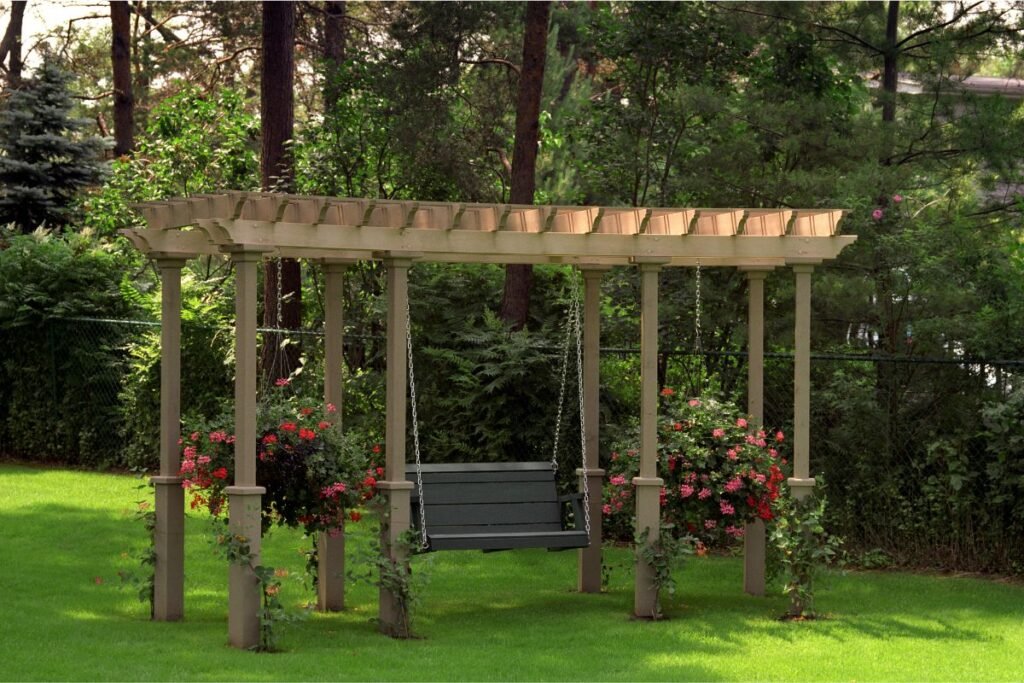
Designing a timber pergola in North America requires more than choosing a beautiful structure that complements your backyard. You are building in a continent defined by extremes, from heavy Canadian snowfall to relentless summer sun in the southern United States. What performs perfectly in Arizona may struggle in Alberta, and what survives Quebec winters may feel unnecessarily heavy in coastal California. Many homeowners focus first on style, only to realize later that climate determines longevity. When you plan with both snow load and sun exposure in mind, your pergola becomes a durable extension of your home rather than a seasonal accessory vulnerable to the elements.
Understanding North America’s Climate Extremes
Snow-Heavy Regions
In much of Canada and the northern United States, snow accumulation is not occasional but expected, sometimes lasting for months. If you live in these regions, your pergola must withstand sustained weight rather than brief winter storms. Snow load calculations directly influence beam thickness, roof pitch, and connection strength. A flat or lightly framed structure may look appealing initially, but over time it can sag under repeated winter stress. Designing for snow from the beginning protects both structural safety and long-term investment.
High Sun and Heat Exposure Areas
In contrast, southern states and desert regions face intense UV radiation and prolonged heat. Timber exposed to constant sunlight expands, contracts, and gradually dries out, which can accelerate surface cracking and fading. If your pergola lacks proper UV protection or airflow design, it may become uncomfortable and deteriorate faster than expected. Sun exposure also affects how you position the structure relative to your home and seating areas. Planning for shade control and ventilation ensures that your pergola remains inviting even during peak summer months.
Mixed Climate Zones
Many areas across North America experience both heavy winters and hot summers, creating unique design challenges. You may need a structure capable of shedding snow efficiently while also providing cooling airflow in warmer seasons. This balance requires thoughtful material selection and roof design. Overcompensating for one season at the expense of another often leads to discomfort or unnecessary expense. A climate-balanced pergola design ensures year-round usability.
Key Structural Factors for Snow-Resistant Timber Pergolas
Beam Thickness and Timber Type
Snow resistance begins with structural mass. Thicker beams distribute weight more effectively and reduce deflection under heavy accumulation. If you live in a snow-prone region, choosing a heavy timber design adds a safety margin that becomes reassuring during long winters. Timber species also matter, as denser woods typically offer greater load-bearing strength. Structural capacity should always match environmental demand.
Roof Pitch Design
Roof pitch plays a critical role in snow management. A steeper roof allows snow to slide off naturally, reducing prolonged stress on beams and joints. Flat roofs, while modern in appearance, may collect weight that gradually weakens the structure. If winter snow is common in your region, increasing roof angle significantly improves performance. This design choice often determines whether your pergola thrives or struggles season after season.
Reinforced Joinery and Connections
Strong connections hold the structure together under stress. Reinforced metal brackets or traditional mortise and tenon joinery provide durability that resists shifting during freeze-thaw cycles. You may not notice connection details visually, but they determine how well the structure withstands wind and snow pressure. High-quality joinery reduces long-term maintenance concerns. Structural integrity depends as much on connections as on beam size.
Foundation Depth and Frost Protection
In colder climates, frost lines extend deep into the ground, requiring foundations below that level to prevent heaving. If footings are too shallow, seasonal freezing can shift posts and misalign the entire structure. Concrete piers anchored below frost depth provide stability throughout winter cycles. Proper foundation planning prevents subtle structural movement that may otherwise go unnoticed until damage becomes visible. Stability begins below the surface.
Best Timber Pergola Designs for Snowy Climates
Heavy Timber Gable Roof Pergola
A gable roof design combines structural strength with effective snow shedding. The angled roof encourages accumulation to slide away rather than linger. Heavy timber beams enhance load capacity while maintaining visual presence. If you are exploring options for colder regions, solutions such as a Norweh timber pergola USA for northern states or a Norweh timber pergola Canada for provinces with significant snowfall reflect structural adjustments tailored to those conditions. Regional adaptation ensures your pergola meets climate expectations.
Solid Roof Timber Pergola
A solid roof offers additional protection from snow and rain, increasing year-round usability. This design reduces exposure and provides shelter during winter months. Structural reinforcement is essential to support the added weight of roofing materials. While it increases cost, it enhances comfort and durability. For many snow-prone homeowners, the investment proves worthwhile.
Fully Anchored Freestanding Pergola
Freestanding pergolas anchored deeply into reinforced foundations provide flexibility in placement without sacrificing stability. Strong anchoring systems resist both wind uplift and snow weight. You gain independence from the home’s structure while maintaining structural reliability. Proper anchoring ensures long-term performance. Stability must be intentional.
Key Structural Factors for Sun-Resistant Timber Pergolas
UV-Resistant Timber Choices
Sun exposure demands timber species that tolerate intense UV radiation. Cedar and redwood naturally resist moisture and insect damage, making them popular choices in warmer climates. Treated pine can also perform well when properly sealed. Selecting UV-resistant wood slows surface degradation. Material choice directly influences maintenance frequency.
Slatted Roof Orientation
Angled slats allow you to filter sunlight while preserving airflow. Proper orientation blocks harsh afternoon sun while permitting cooler morning light. Adjustable slat systems offer flexibility as seasons change. This adaptability enhances comfort during summer months. Shade control is essential in sun-dominated climates.
Ventilation and Airflow Design
Open-beam designs promote airflow, preventing heat buildup beneath the structure. Adequate ventilation keeps the space comfortable even during peak temperatures. If airflow is restricted, the pergola may feel stifling despite providing shade. Design that prioritizes circulation enhances usability. Comfort supports enjoyment.
Protective Finishes
Protective finishes shield timber from UV damage and moisture exposure. Oil-based stains penetrate deeply, while water-based finishes provide easier maintenance. Regular reapplication preserves color and prevents cracking. Sun exposure requires consistent care. Preventative maintenance extends lifespan significantly.
Designing for Both Snow and Sun
Adjustable Roof Systems
Adjustable roof systems offer flexibility for regions experiencing both heavy snow and intense sun. You can open panels for ventilation during summer and secure them during winter. This adaptability maximizes year-round comfort. Investment in adjustability supports long-term functionality. Climate variability requires thoughtful design.
Moderate Roof Pitch with Reinforced Beams
Combining a moderate roof pitch with reinforced beams balances snow shedding and summer airflow. This design avoids extremes while maintaining structural capacity. You gain durability without overbuilding. Balanced design suits transitional climates. Practicality enhances longevity.
Timber Species That Handle Both Extremes
Some timber species perform well across varied conditions, resisting both moisture and UV stress. Choosing versatile wood reduces maintenance complications. Climate versatility simplifies ownership. Selecting adaptable materials supports consistent performance. Material intelligence ensures durability.
Cost Considerations by Climate
Snow-Region Design Costs
Snow-resistant designs often require heavier beams, deeper foundations, and stronger connections, increasing upfront costs. Engineering calculations add to initial expenses. However, these investments prevent costly structural repairs later. Climate-aligned spending protects long-term value. Durability justifies initial expense.
Sun-Region Design Costs
Sun-resistant designs focus on protective finishes, shading systems, and ventilation enhancements. These features may increase installation complexity. Ongoing maintenance also influences cost projections. Budgeting for UV protection ensures longevity. Comfort improvements enhance everyday use.
Long-Term Maintenance Comparison
Maintenance demands vary by climate. Snow regions require inspection after winter stress, while sun regions demand regular UV protection. Both scenarios require attention but differ in focus. Planning maintenance schedules prevents neglect. Proactive care preserves structural integrity.
FAQs
What roof design is best for snow?
A steep gable roof with heavy timber beams performs best.
Can a timber pergola handle extreme heat?
Yes, with UV-resistant wood and proper ventilation design.
Is heavy timber necessary in Canada?
Often recommended in snow-heavy provinces.
How do I protect a pergola from UV damage?
Use quality sealants and reapply regularly.
Which design works best year-round?
A balanced structure with moderate pitch and reinforced beams.
Conclusion
Designing the best timber pergola for North America requires climate-first thinking. Snow-heavy regions demand structural strength and snow-shedding roofs, while sun-dominated climates require UV resistance and ventilation. When you evaluate your local environment carefully, your pergola becomes resilient rather than reactive. Thoughtful design aligns comfort, durability, and aesthetic appeal. A climate-conscious pergola is not just beautiful, it is built to endure.