
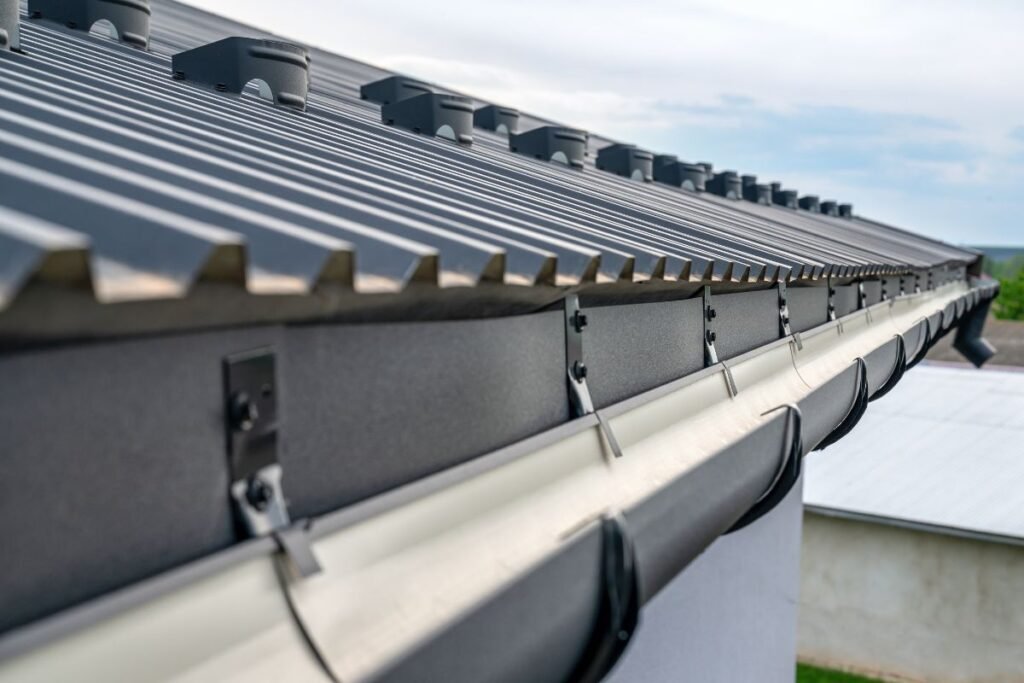
Many homeowners spend countless hours comparing roofing materials, colors, and styles, only to discover that one of the most important decisions comes down to something much less obvious: the thickness of the metal itself. If you are researching metal roofing, you have probably encountered the terms 26 gauge and 29 gauge.
At first glance, the difference may seem minor, but the gauge of your metal roof directly affects durability, cost, and long-term performance. Choosing the right thickness is not simply about buying the strongest material available. It is about finding the right balance between your budget, climate, and expectations so that your investment provides lasting peace of mind.
What Does Gauge Mean in Metal Roofing?
Before comparing specific options, it helps to understand what gauge actually means. In metal roofing, gauge refers to the thickness of the metal panel. Interestingly, lower gauge numbers indicate thicker metal, which often surprises homeowners who assume the opposite.
While the difference between 26 gauge and 29 gauge may sound small, it can influence how well your roof performs under harsh weather conditions and how long it maintains its appearance over the years.
Understanding Metal Gauge Numbers
The gauge system used in metal roofing can feel a little confusing at first because smaller numbers represent thicker metal. A 26 gauge panel is thicker and stronger than a 29 gauge panel. Although the difference in actual thickness may be only a fraction of an inch, it affects the roof’s ability to resist dents, impact, and structural stress. Understanding this simple principle helps you make sense of product specifications and compare roofing systems with greater confidence.
Many people focus heavily on color or style while overlooking the importance of thickness. However, the gauge of your metal roof can significantly influence its long-term durability. A thicker panel generally performs better under demanding conditions, though it also comes with a higher price tag. Learning how gauge numbers work gives you a stronger foundation for making an informed decision that aligns with your needs and priorities.
Why Roof Gauge Matters
Roof gauge matters because it directly affects the strength and lifespan of the roofing system. Thicker panels resist denting and deformation more effectively, which becomes especially important in regions prone to hail, heavy snow, or strong winds. Homeowners often discover that spending slightly more on thicker material can reduce repair concerns and provide greater confidence during severe weather events.
Beyond durability, gauge also influences the overall value of your investment. A stronger roof can maintain its appearance for longer and withstand years of exposure to the elements. While thinner panels may perform adequately in certain climates, choosing the right gauge ensures that your roof matches the environmental challenges your home faces. The goal is not necessarily to buy the thickest material available but to choose one that offers the best balance between cost and performance.
Also Read: How Much Does a Metal Roof Cost in 2026?
26 Gauge vs 29 Gauge Metal Roofing: Key Differences
Although both gauges are widely used in residential construction, they differ in several important ways. Thickness, durability, weight, and price all play a role in determining which option is better suited for your home. Understanding these differences allows you to focus on what matters most for your specific situation.
Thickness Comparison
The most obvious difference between 26 gauge and 29 gauge roofing is thickness. A 26 gauge metal panel measures approximately 0.0187 inches thick, while a 29 gauge panel is around 0.0142 inches thick. Although the variation seems small, the additional thickness provides noticeable improvements in strength and rigidity.
Many homeowners are surprised by how much performance can change with such a slight difference in thickness. The thicker 26 gauge panels tend to feel more solid and resist flexing under pressure. This added strength becomes particularly valuable when dealing with extreme weather conditions. Understanding the physical difference between the two gauges helps explain why pricing and performance vary.
Durability and Strength
Durability is often one of the biggest reasons homeowners choose metal roofing in the first place. In this category, 26 gauge roofing has a clear advantage. The thicker metal provides greater resistance against hail, falling branches, and accidental impacts. Homeowners living in areas where storms are common often appreciate the added protection and confidence that thicker panels provide.
While 29 gauge roofing remains durable and reliable, it is slightly more susceptible to dents and deformation. That does not mean it is a poor choice. In moderate climates, many homeowners enjoy decades of excellent performance from 29 gauge systems. The key is matching the material to the conditions your roof will face over its lifetime.
Weight Difference
Despite the difference in thickness, both gauges remain relatively lightweight compared to materials such as tile or slate. However, 26 gauge panels are naturally heavier than 29 gauge panels because they contain more metal. The additional weight is generally not enough to create structural concerns for most homes, but it does contribute to greater strength and rigidity.
Some homeowners worry that heavier roofing materials might stress their home’s structure. In most cases, modern residential buildings can easily support either gauge. The difference in weight primarily affects handling during installation rather than long-term structural performance. As a result, weight rarely becomes the deciding factor when choosing between these two options.
Cost Difference
Price is often where the debate between 26 gauge and 29 gauge becomes most interesting. Thicker 26 gauge panels cost more because they require additional raw material and often come with higher-quality specifications. Depending on the product and manufacturer, the price difference can add several hundred or even thousands of dollars to a project.
For homeowners working within strict budgets, 29 gauge roofing offers a more affordable solution. Many people find that the savings allow them to invest in better coatings or improved insulation. Understanding how cost relates to performance helps you prioritize the features that matter most to your home and financial goals.
Pros and Cons of 26 Gauge Metal Roofing
Every roofing material has strengths and limitations, and 26 gauge metal roofing is no exception. While many homeowners consider it a premium choice, understanding both the advantages and disadvantages helps create realistic expectations. Evaluating these factors carefully ensures that you make a decision based on value rather than assumptions.
Advantages of 26 Gauge Roofing
The primary advantage of 26 gauge roofing is its superior strength. Thicker panels provide better resistance to dents, wind uplift, and heavy snow loads. Homeowners living in regions with unpredictable weather often appreciate the extra security that comes from knowing their roof is designed to handle challenging conditions.
Another major benefit is longevity. Thicker metal tends to maintain its appearance and structural integrity over time. This durability can contribute to lower maintenance costs and improved resale value. Although the upfront investment is higher, many homeowners consider the long-term benefits worth the additional expense.
Disadvantages of 26 Gauge Roofing
The biggest drawback of 26 gauge roofing is cost. Because the material contains more metal, it naturally commands a higher price. For some homeowners, the additional expense may not provide enough practical benefits, particularly if they live in areas with mild climates.
Another consideration is that thicker roofing may not always be necessary. Investing in the strongest available material does not automatically guarantee better value. If your home experiences relatively calm weather conditions, the performance difference between 26 gauge and 29 gauge may not justify the increased cost. Understanding your environment helps determine whether the extra investment makes sense.
Pros and Cons of 29 Gauge Metal Roofing
29 gauge roofing remains one of the most popular options for residential and agricultural applications. Its affordability and lightweight design make it appealing to a wide range of homeowners. Like any roofing material, however, it comes with certain limitations that deserve consideration.
Advantages of 29 Gauge Roofing
Affordability is one of the greatest strengths of 29 gauge metal roofing. Homeowners seeking the benefits of metal roofing without premium pricing often find this option highly attractive. The lower material cost can make large roofing projects significantly more manageable financially.
In addition to being cost-effective, 29 gauge panels are lightweight and easier to handle during installation. Many structures, including garages, barns, and sheds, perform exceptionally well with this thickness. For homes located in moderate climates, 29 gauge roofing often provides more than enough durability to deliver decades of dependable protection.
Disadvantages of 29 Gauge Roofing
The thinner construction of 29 gauge panels makes them more vulnerable to dents and impacts. Hailstorms, falling debris, and heavy snow loads can create challenges that thicker materials handle more effectively. Homeowners living in areas prone to severe weather should carefully evaluate whether the reduced strength aligns with their needs.
Another drawback involves long-term rigidity. Thinner panels may exhibit more movement or vibration during strong winds. While proper installation minimizes these effects, the increased stiffness of 26 gauge roofing provides a noticeable advantage. Understanding these limitations allows you to make a decision based on realistic expectations rather than marketing claims.
Performance in Different Weather Conditions
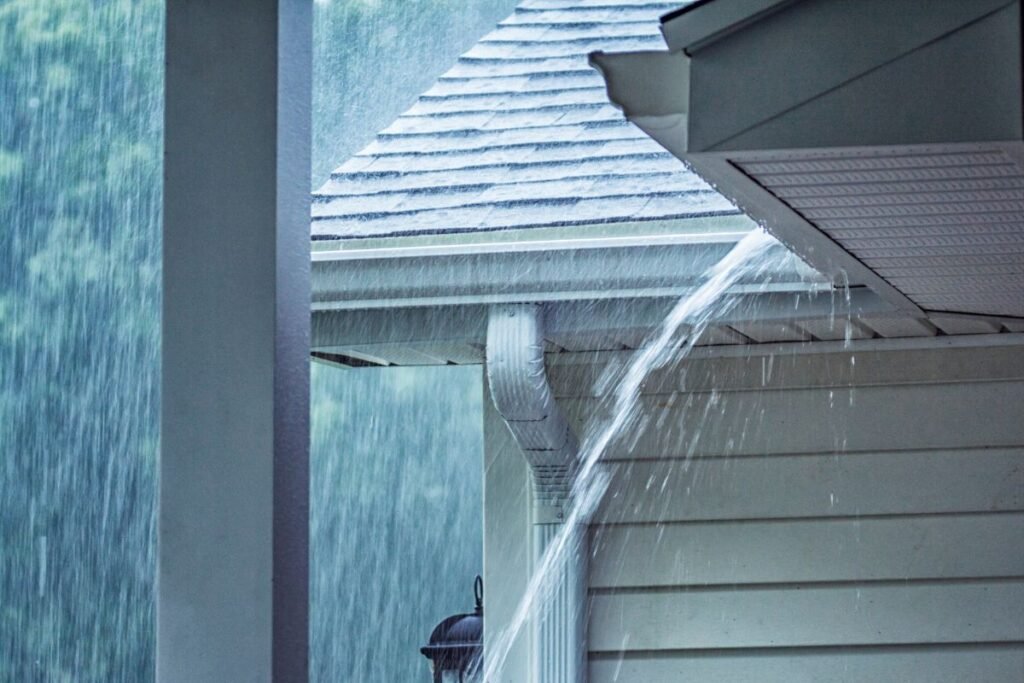
Climate plays a crucial role when selecting roofing materials. What works perfectly in one region may not perform as well in another. Understanding how each gauge responds to various weather conditions helps ensure that your investment matches the demands of your environment.
High Wind Areas
Strong winds place significant stress on roofing systems. Because 26 gauge panels are thicker and more rigid, they generally provide better resistance to uplift and movement. Homeowners living in coastal areas or regions prone to storms often prefer the added security that thicker metal offers.
Although 29 gauge roofing can perform well when properly installed, it may not provide the same level of confidence under extreme conditions. Building codes in certain regions may even require thicker materials. Considering local weather patterns helps determine which option is better suited to your location.
Hail and Impact Resistance
Hail can damage roofing materials in ways that are both visible and costly. Thicker 26 gauge metal offers improved resistance to dents and impact damage, making it a preferred choice for areas where severe storms are common. Many homeowners appreciate knowing their roof can better withstand unexpected weather events.
That said, 29 gauge roofing still provides respectable performance in many situations. Minor dents may affect appearance without compromising structural integrity. Understanding the difference between cosmetic damage and actual performance helps you evaluate the true risks associated with each option.
Heavy Snow and Ice
Heavy snow places tremendous weight on roofing systems. The additional strength of 26 gauge panels makes them particularly suitable for northern climates where snow accumulation is common. Their rigidity helps maintain structural stability and reduces the risk of deformation.
Proper roof pitch and installation remain equally important regardless of gauge. Even the thickest panels cannot compensate for poor workmanship. Combining quality materials with professional installation provides the best defense against winter weather challenges.
Coastal and Humid Areas
In coastal regions, corrosion resistance often matters more than thickness. Protective coatings such as Galvalume and high-quality paint systems play a crucial role in extending the life of the roof. While gauge contributes to overall strength, corrosion protection becomes the primary concern.
Both 26 gauge and 29 gauge panels can perform exceptionally well when paired with the right coatings. Homeowners near the ocean should focus on selecting products designed specifically for humid and salty environments. The combination of proper material and protective finishes delivers the best results.
Cost Comparison: 26 Gauge vs 29 Gauge
Cost differences between the two gauges can influence your decision significantly. While thicker panels require a larger investment, they may also provide greater long-term value. Evaluating both upfront and lifetime costs offers a more complete perspective.
Material Cost
Because 26 gauge panels contain more steel, they naturally cost more than 29 gauge panels. The exact difference varies by manufacturer and market conditions, but thicker materials almost always command premium prices. Homeowners should consider whether the added strength justifies the increased expense.
Installation Cost
Installation costs are generally similar for both gauges, although thicker panels can sometimes require slightly more labor. Experienced contractors understand how to handle both materials efficiently. In most cases, the difference in labor expenses remains relatively minor compared to the difference in material cost.
Long-Term Value
Long-term value often depends on your climate and maintenance expectations. Thicker panels may reduce repair frequency and maintain their appearance more effectively. For homeowners planning to stay in their homes for decades, the added investment can provide meaningful benefits.
Which Gauge Is Best for Residential Roofing?
There is no universal answer because every home and climate are different. Homeowners in regions with heavy snow, strong winds, or frequent hail often benefit from the extra protection provided by 26 gauge roofing. The additional strength delivers greater confidence and peace of mind.
For homes located in mild climates, 29 gauge roofing can provide excellent performance while keeping costs under control. Garages, barns, and storage buildings frequently use 29 gauge panels because they offer dependable protection at a lower price. Ultimately, the best choice depends on balancing weather conditions, budget, and long-term expectations.
26 Gauge vs 29 Gauge for Commercial Buildings
Commercial projects often favor thicker panels because larger roof spans and higher performance requirements demand increased rigidity. Warehouses, retail buildings, and industrial facilities frequently use 26 gauge systems to maximize durability and longevity.
However, 29 gauge roofing still has applications in commercial settings. Storage buildings and low-risk structures can perform exceptionally well with thinner panels. The decision ultimately depends on structural requirements, budget considerations, and expected environmental conditions.
Other Factors Besides Gauge
While gauge is important, it is not the only factor that determines roofing performance. The type of metal, protective coatings, paint systems, and installation quality all influence how well the roof performs over time. Focusing exclusively on thickness can cause homeowners to overlook other critical elements.
A well-installed 29 gauge roof with premium coatings may outperform a poorly installed 26 gauge system. Standing seam panels, quality underlayment, and experienced workmanship all contribute to long-term success. Evaluating the roofing system as a whole provides a more accurate understanding of value and durability.
How to Choose Between 26 Gauge and 29 Gauge Metal Roofing
Choosing between 26 gauge and 29 gauge roofing ultimately comes down to your priorities. Consider your local climate, your budget, and how long you plan to remain in your home. If severe weather is common in your area, investing in thicker panels may provide valuable peace of mind.
You should also consult experienced roofing contractors who understand regional building codes and weather conditions. Their recommendations can help you avoid costly mistakes and ensure that your roofing system meets your specific needs. Taking the time to evaluate all factors carefully leads to better results and greater satisfaction with your investment.
Frequently Asked Questions
Is 26 gauge metal roofing better than 29 gauge?
Yes, 26 gauge roofing is thicker and generally more durable.
How much thicker is 26 gauge than 29 gauge?
26 gauge metal is approximately 30 percent thicker than 29 gauge metal.
Is 29 gauge metal roofing good for a house?
Yes, it works well for many homes, especially in moderate climates.
What gauge metal roof is best for hail?
26 gauge metal roofing provides better resistance to hail damage.