
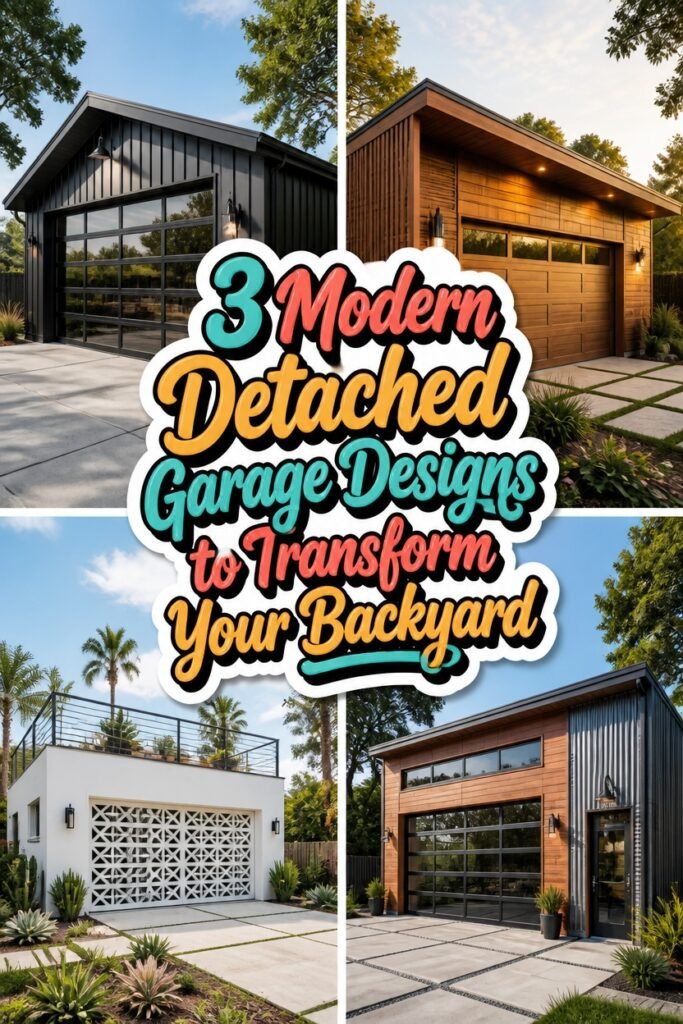
A detached garage can do so much more than shelter your car. It creates breathing room for projects, hobbies, and everyday life while adding real value to your property.
Three fresh approaches are redefining what these spaces can be.
The minimalist modern style keeps things clean and intentional, favoring simple lines and materials that feel good to live with.
The industrial workshop leans into honest function, with exposed structure and smart storage for makers who love getting hands-on.
The farmhouse contemporary look softens things with barn doors and warm textures that feel lived-in from day one.
Each one solves different needs.
Think about how you actually move through your days, and the right design starts to reveal itself.
Minimalist Modern: Clean Lines and Sustainable Materials
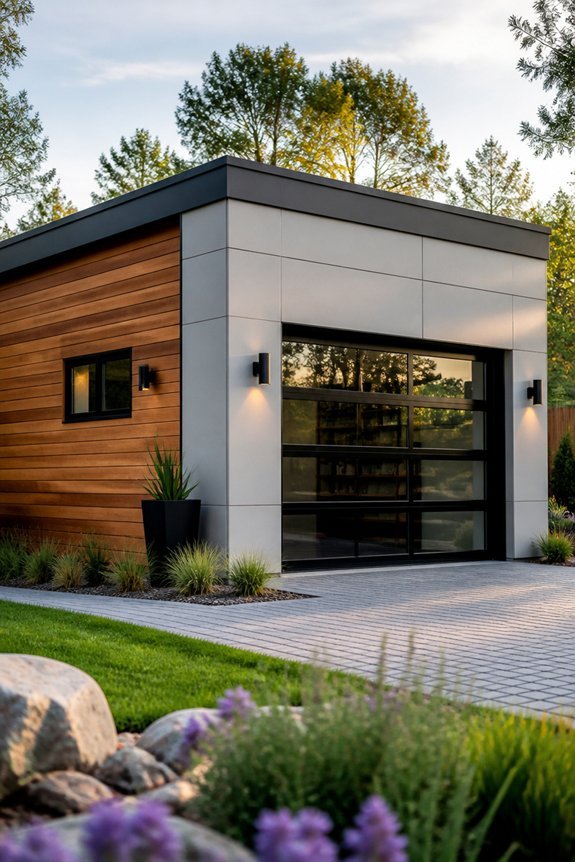
Minimalist modern detached garages emphasize clean lines and open floor plans. They use sustainable building materials throughout. Flat roofs, large windows, and uncluttered exteriors prioritize function over decoration.
Sustainable materials make a real difference. Reclaimed wood, recycled metal, and low-VOC paints reduce environmental impact. Concrete floors, steel framing, and glass panels create durable designs. These choices require minimal maintenance over time.
Key design elements include:
- Neutral color palettes of white, gray, and black
- Oversized doors with minimal hardware
- Polished concrete or sealed epoxy flooring
- Skylights for natural illumination
This approach suits many needs. Homeowners use these spaces for storage, workshops, or extra living areas. The design accommodates electric vehicle charging stations and tool organization systems. Flexible interior configurations adapt to changing needs.
Modern detached garages blend aesthetics with practicality. They offer contemporary alternatives to traditional designs.
Industrial Workshop: Exposed Beams and Multi-Purpose Space
Industrial workshop detached garages highlight exposed structural elements. Visible wooden or steel beams create honest, functional aesthetics. Raw brick walls and concrete floors complete the look. These spaces adapt easily to multiple uses.
The open layout lets owners create custom zones. Woodworking, automotive repair, and storage can happen side by side. Hobby projects find room too. Everything fits together without feeling cramped.
Key features include:
High ceilings accommodate tall equipment and projects. Sturdy workbenches anchor the space. Tool storage systems keep essentials within reach. Polished concrete or epoxy flooring withstands heavy use. Large garage doors move equipment in and out smoothly. Overhead lighting fixtures mount directly on exposed beams.
Metal shelving and pegboards organize supplies efficiently. Wall-mounted tool racks put gear at arm’s length. Ventilation systems handle fumes from painting or welding. These garages become productive work environments for serious hobbyists and small-scale craftspeople.
Farmhouse Contemporary: Sliding Doors and Modern Rustic Appeal
Farmhouse contemporary detached garages blend traditional barn aesthetics with current design trends. These structures feature large sliding barn doors. They are typically made from reclaimed wood or metal frames. This combination brings both functionality and visual interest.
Exteriors use natural materials to establish authentic rustic character. Shiplap siding, stone accents, and metal roofing are common choices.
Interior spaces favor open layouts with high ceilings. Exposed wooden trusses and concrete flooring complete the look. Windows are positioned to allow natural light. They also maintain a proper workspace atmosphere.
Modern conveniences integrate seamlessly within these traditional frameworks. Updated electrical systems, insulation, and climate control come standard.
Color palettes stay neutral throughout. Grays, blacks, whites, and warm wood tones dominate. This design approach suits homeowners who need storage solutions. It also appeals to those wanting aesthetically refined backyard features. The style balances practicality with contemporary preferences.
Frequently Asked Questions
What Are the Average Costs to Build a Detached Garage?
Detached garage construction costs typically range from $15,000 to $60,000, depending on size, materials, and location. A single-car garage averages $10,000 to $25,000, while two-car structures cost $15,000 to $40,000 or more.
Do I Need a Building Permit for a Detached Garage Structure?
Most jurisdictions require building permits for detached garages like a key opening legal compliance. Homeowners must navigate local zoning laws, foundation requirements, and electrical codes. Requirements vary by location, so checking with municipal authorities proves essential before construction begins.
How Long Does It Typically Take to Construct a Detached Garage?
Construction timelines for detached garages typically range from 4-12 weeks, depending on size, complexity, and local weather conditions. Simple single-car structures may take 4-6 weeks, while larger two-car garages with customized features require 8-12 weeks.
What Foundation Options Work Best for Detached Garages?
Many believe concrete slabs serve as the only viable foundation option, yet evidence reveals multiple solutions work effectively. Concrete slabs, pier and beam systems, and frost-protected shallow foundations each offer distinct advantages depending on climate and soil conditions.
How Can I Ensure Proper Electrical Wiring and Safety Codes?
Homeowners should hire licensed electricians familiar with local building codes. Proper grounding, circuit breakers, and outlet placement prevent hazards. Inspections verify compliance with National Electrical Code standards before occupancy.
Conclusion
These three garage designs—minimalist modern, industrial workshop, and farmhouse contemporary—each serve as a distinct foundation for backyard improvement. Like three different keys fitting different locks, each style addresses specific homeowner priorities: sustainability, functionality, or aesthetic warmth. Selecting the right design transforms not only the garage space itself but also elevates overall property value, creating a cohesive extension of the home that balances practical utility with visual appeal.