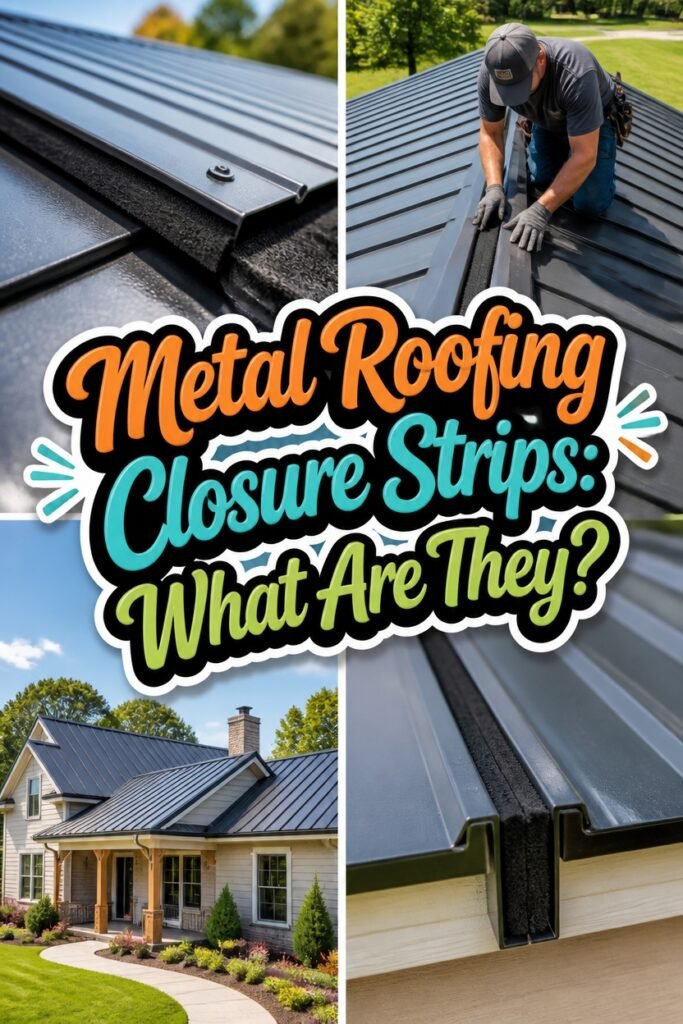
Metal roofing looks sleek and lasts for decades, but the secret to its performance often hides in the smallest details. Closure strips are one of those understated elements that keep your roof doing its job year after year.
These flexible seals nestle between panels and roof edges, expanding and contracting as temperatures shift. Typically made from closed-cell foam or rubber, they quietly block rain, wind, and unwanted pests from sneaking into gaps.
Beyond basic protection, they help dampen the sound of rain on metal and guide water where it needs to go.
A little inspection now and then keeps them in good shape, which makes all the difference for your roof’s longevity.
Where Closure Strips Go on Your Metal Roof
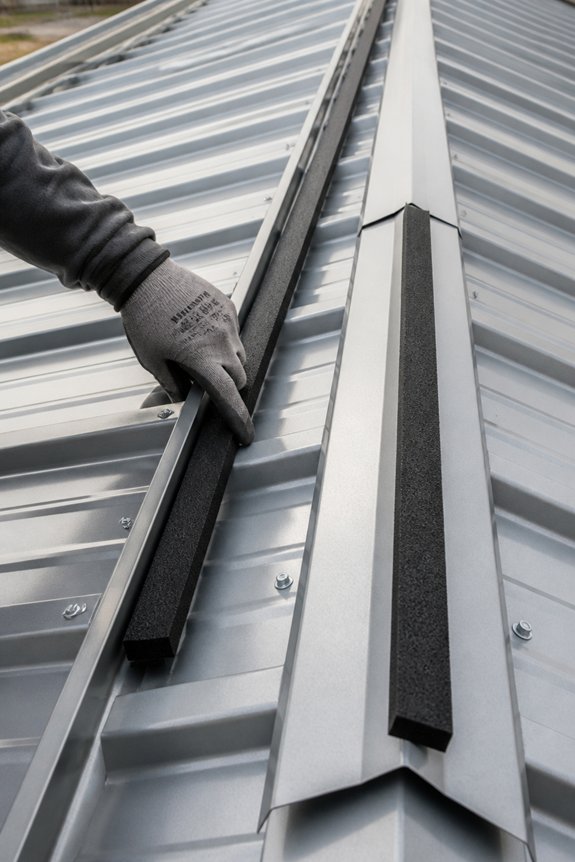
Where exactly do closure strips belong on a metal roof?
Closure strips seal gaps between metal panels and roof components. They block weather and pests from entering your home.
Along the Eaves
Install closure strips where the roof meets the fascia board. This creates a tight seal at the roof’s lower edge. It stops insects and small animals from sneaking underneath.
At the Ridge
The ridge sits at the highest point where two slopes meet. Closure strips belong here to close the gap between panels. This prevents rain and wind from penetrating the peak.
On Gable Ends
These triangular wall sections need protection too. Closure strips block wind-driven rain from entering the sides. They keep your attic dry during storms.
Around Penetrations
Pipes, vents, and chimneys create openings in your roof. Fit closure strips snugly around each one. This seals the space between the panel and the fixture.
Inside Valleys
Valleys form where two roof planes come together. Water flows through these channels constantly. Closure strips here ensure proper drainage and stop debris buildup.
Proper placement protects your home from moisture damage. It also keeps unwanted critters outside where they belong.
What Metal Roofing Closure Strips Do
What Are Closure Strips?
Closure strips seal the gaps between metal panels and your roof deck. They stop water, debris, and pests from sneaking through. Think of them as your roof’s first line of defense.
How They Protect Your Home
These strips block wind-driven rain from panel overlaps and ridge connections. They also keep things quiet. Metal roofs can get noisy, but closure strips dampen sounds from wind and rainfall.
Energy and Durability Benefits
Closure strips add insulation beneath your panels. This cuts air leaks and helps your home stay comfortable. They also shield the underside of metal panels from moisture damage.
What Happens Without Them
Skip the closure strips and you risk water damage, mold, and higher energy bills. Your roof structure can deteriorate faster too.
Choosing the Right Type
Foam closures work well for many roofs. Plastic closures offer durability. Adhesive-backed options suit specific panel shapes and tough climates. Match your choice to your panel profile and local weather.
Materials Used in Closure Strips
The materials in closure strips affect both performance and longevity. Most strips rely on closed-cell foam. This material blocks water and compresses easily around uneven surfaces.
Rubber-based options like EPDM handle temperature swings well. They stay flexible and resist wear over time. Polyethylene foam offers a lighter alternative with solid sealing ability.
Metal roofing installations typically use foam cores with adhesive backings or mechanical fasteners. A polyester film backing protects the foam and helps with placement.
Quality strips layer multiple materials together. These layers block water, insects, and debris. Choosing the right materials ensures the strips protect your roof for years to come.
How Do Closure Strips Handle Expansion and Contraction?
Metal roofing moves with temperature changes. This expansion and contraction puts stress on every component. Closure strips handle this constant motion through smart material choices.
Most strips rely on foam or rubber compounds. These materials flex, compress, and stretch without tearing. They move alongside the metal panels through daily heat cycles and seasonal shifts.
The seal stays intact even as everything shifts around it. Proper installation lets the strips glide freely without pulling loose. Water stays out, and your roof lasts longer.
Signs Your Closure Strips Need Replacement
Closure strips take a beating over time. Metal roofs expand and contract with temperature changes. This constant movement wears strips down until they fail.
Look for These Warning Signs****
Check for gaps between strips and panels. These gaps mean the seal is breaking down. Water stains on ceilings or walls near the roof edge are clear signals of trouble.
Rust, cracks, or brittle material show the strips have aged out. You should never see daylight through panel gaps. That means the seal has failed completely.
Physical Damage to Spot
Damaged strips often look compressed, torn, or partially detached. Debris tends to pile up where seals no longer fit tight. Your energy bills might climb if insulation around roof openings starts leaking air.
Stay Ahead of Problems
Inspect your closure strips every two years. Catching issues early saves you from expensive interior water damage down the road.
Keeping Closure Strips in Top Condition
Regular maintenance keeps closure strips functioning properly after installation. It also extends their service life.
Inspect strips twice yearly. Check for debris, gaps, and separation from roof panels. Remove leaves, dirt, and pine needles. This stops water from pooling and causing damage.
Small cracks reveal themselves during visual checks. Look for warping or discoloration too. These signs point to deterioration. Seal minor gaps with roofing caulk. This blocks moisture before it becomes serious.
Clean gutters regularly. Proper drainage depends on it. Water must flow away from closure strips.
Winter care matters. Remove snow and ice when possible. This protects strips from heavy weight and freeze-thaw damage.
Fix small issues quickly. Small repairs now prevent costly roof damage later.
Frequently Asked Questions
How Much Do Metal Roofing Closure Strips Typically Cost?
Metal roofing closure strips typically cost between $0.50 and $2.00 per linear foot, depending on material quality, manufacturer, and purchase volume. Bulk orders often qualify for discounts, reducing per-unit expenses considerably.
Can I Install Closure Strips Myself or Do I Need a Professional?
Picture strips sliding seamlessly beneath metal panels—homeowners can install closure strips themselves with basic tools and patience. However, professionals guarantee proper weatherproofing and prevent costly leaks. DIY installation suits experienced individuals; hiring contractors ensures peak performance.
What Is the Average Lifespan of Closure Strips Before Replacement?
Closure strips typically last 10-15 years before requiring replacement. Their lifespan depends on climate conditions, material quality, and maintenance. Harsh weather, UV exposure, and temperature fluctuations can shorten their durability considerably.
Are There Different Closure Strip Types for Different Metal Roof Styles?
Like keys fitting specific locks, closure strips are engineered for particular metal roof profiles. Standing seam, corrugated, and metal shingle roofs each require specialized strips to guarantee proper weatherproofing and compatibility with their unique architectural designs.
Do Closure Strips Come With a Warranty or Guarantee?
Most closure strip manufacturers provide warranties ranging from 10 to 20 years, covering defects in materials and workmanship. Homeowners should verify specific warranty terms with their supplier, as coverage varies by product and manufacturer.
Conclusion
Closure strips represent a small but critical investment in roof longevity. Studies show that properly maintained metal roofs with quality closure strips last 40-70 years, compared to 15-25 years for roofs with deteriorated or missing strips. Homeowners who inspect their closure strips annually, checking for gaps, cracks, or compression, avoid costly water damage repairs. This preventive approach protects structural integrity, reduces energy loss, and extends roof life considerably.