Before investing in a new roof, you naturally want something that protects your home, fits your budget, and delivers lasting value. Many homeowners find themselves comparing metal roofing and asphalt shingles because both options offer distinct advantages.
If you have ever stood in your driveway wondering which material would serve your family better over the next few decades, you are not alone. Choosing a roof is not just about appearance. It is about peace of mind, energy efficiency, maintenance costs, and the confidence that your home is ready to handle whatever weather comes its way.
Understanding Metal Roofing and Asphalt Shingles
Choosing between metal roofing and shingles becomes easier when you understand how each material works and what makes it unique. While both are popular choices, they differ significantly in lifespan, durability, cost, and maintenance.
Your location, budget, and long-term plans can influence which option makes the most sense. Taking the time to learn about these roofing systems helps you make a decision that aligns with your priorities rather than simply following trends or recommendations from others.
What Is a Metal Roof?
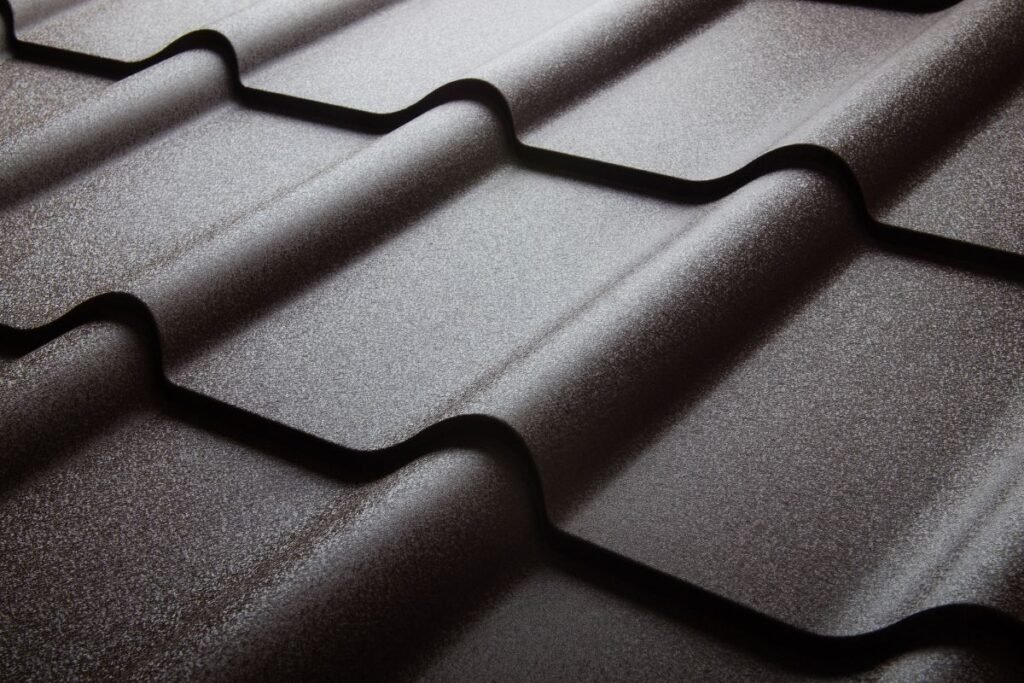
A metal roof consists of panels or shingles made from steel, aluminum, zinc, or copper. These roofs have become increasingly popular because they combine exceptional durability with a modern appearance. You can choose from standing seam panels, corrugated designs, or metal shingles that mimic traditional roofing materials.
Many homeowners initially assume metal roofs belong only on barns or industrial buildings, but modern styles have transformed them into attractive options for residential properties.
Metal roofing is designed to withstand harsh weather conditions and often lasts for decades with minimal maintenance. Many manufacturers offer warranties extending beyond 40 years, making metal one of the longest-lasting roofing materials available.
If you plan to stay in your home for a long time, investing in a metal roof can provide lasting confidence and reduce the need for future replacements. The higher upfront cost often becomes easier to justify when you consider the long-term value and reliability.
What Are Asphalt Shingles?
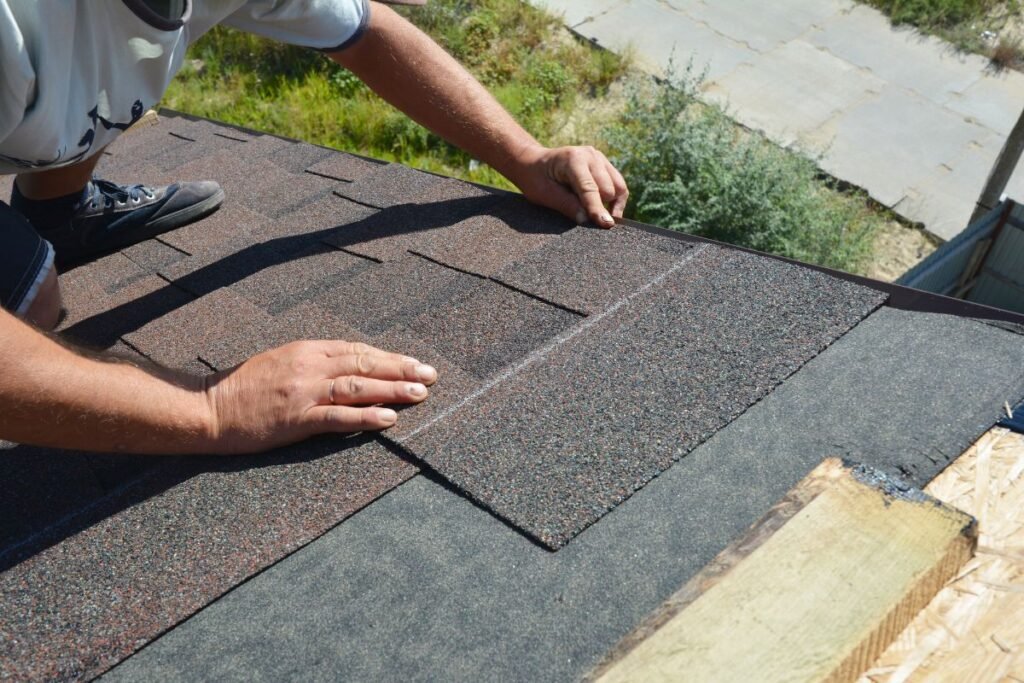
Asphalt shingles remain the most widely used roofing material in North America because they provide a balance between affordability and performance. They are available in three-tab, architectural, and premium varieties, allowing you to choose a style that matches your home and budget. Shingles are relatively easy to install, and repairs are generally straightforward. Their versatility has made them a trusted choice for generations of homeowners.
One reason many people prefer shingles is the lower initial investment. If you are replacing an aging roof and working within a limited budget, asphalt shingles offer a practical solution. Modern architectural shingles also provide improved durability and visual appeal compared to older designs. Although they do not last as long as metal roofs, they remain an attractive option for homeowners seeking a dependable and cost-effective roofing system.
Metal Roof vs Shingles: Key Differences
Several factors distinguish metal roofs from shingles, including appearance, longevity, maintenance requirements, and installation methods. Understanding these differences allows you to focus on what matters most for your specific needs. Some homeowners prioritize aesthetics, while others place greater emphasis on durability and energy savings. Your priorities will ultimately determine which material represents the better investment.
Appearance and Curb Appeal
Your roof contributes significantly to the overall appearance of your home. Metal roofs offer a sleek and contemporary look that complements modern architectural styles. They are available in numerous colors and finishes, allowing you to create a distinctive appearance. Some metal products even replicate traditional shingles, wood shakes, or slate, giving you greater design flexibility.
Asphalt shingles provide a timeless look that works well with various home styles. Their familiar appearance appeals to homeowners who prefer a traditional aesthetic. With numerous colors and textures available, shingles can easily enhance curb appeal without drawing excessive attention. Ultimately, your personal preferences and the style of your property will play a major role in determining which option feels right.
Also Read:
Lifespan and Durability
One of the biggest differences between metal roofing and shingles is longevity. Metal roofs typically last between 40 and 70 years, while asphalt shingles generally require replacement after 20 to 30 years. This extended lifespan makes metal roofing particularly attractive to homeowners who want a long-term solution. Knowing that your roof may outlast several generations of shingles can bring considerable peace of mind.
Durability also varies significantly between the two materials. Metal roofs perform exceptionally well in extreme weather, including heavy rain, snow, and high winds. They resist cracking, shrinking, and warping, which are common issues affecting older shingles. Although premium asphalt shingles offer improved durability, they remain more vulnerable to damage and wear over time.
Installation Process
Installing a metal roof often requires specialized skills and experience. The process involves precision and attention to detail, which contributes to higher labor costs. Depending on the complexity of the roof design, installation may take longer compared to traditional shingles. Hiring experienced professionals is essential to ensure proper performance and maximize the roof’s lifespan.
Asphalt shingles are easier and faster to install, making them a more affordable option in terms of labor expenses. Most roofing contractors are familiar with shingle installation, which simplifies the process and increases competition among service providers. Faster installation also minimizes disruptions to your daily life. For homeowners seeking convenience and lower upfront expenses, shingles offer a practical advantage.
Maintenance Requirements
Metal roofs require relatively little maintenance throughout their lifespan. Occasional inspections and cleaning are usually sufficient to maintain their appearance and performance. Because they resist mold, rot, and insect damage, you spend less time worrying about repairs. This low-maintenance nature appeals to busy homeowners who prefer solutions that demand minimal attention.
Shingles require more frequent inspections and occasional repairs. Strong winds, hail, and aging can cause individual shingles to crack or detach, leading to leaks if not addressed promptly. While repairs are usually inexpensive, maintenance costs can accumulate over time. If reducing long-term upkeep is important to you, metal roofing provides a clear advantage.
Cost Comparison Between Metal Roof and Shingles
Cost often becomes the deciding factor when comparing roofing materials. While metal roofs involve a higher initial investment, shingles offer lower upfront expenses. Understanding both short-term and long-term costs allows you to make a financially informed decision. Looking beyond the installation price helps you evaluate the overall value each option provides.
Initial Installation Costs
Metal roofing generally costs significantly more than asphalt shingles because of material prices and specialized installation requirements. This higher investment can feel overwhelming, especially when replacing a roof unexpectedly. However, many homeowners view the added expense as an investment in durability and reduced maintenance. Spending more initially may prevent future replacement costs and repairs.
Asphalt shingles remain the more budget-friendly choice for homeowners seeking immediate savings. Their lower cost makes roof replacement more manageable and accessible. If financial flexibility is limited, shingles allow you to restore your home’s protection without stretching your budget excessively. For many families, affordability plays a decisive role in the selection process.
Long-Term Value
Although metal roofs require a larger initial investment, they often deliver superior long-term value. Their extended lifespan means you may avoid multiple roof replacements over several decades. Lower maintenance costs and potential energy savings further improve their financial appeal. Homeowners who think long term often appreciate the stability and predictability metal roofing provides.
Shingles offer reasonable value but typically require replacement sooner. Over several decades, the combined cost of replacements and repairs may exceed the expense of a single metal roof installation. This reality often surprises homeowners who focus solely on upfront costs. Evaluating ownership costs over the lifespan of the roof provides a clearer picture of the true investment involved.
Energy Efficiency and Environmental Impact
Energy efficiency and sustainability have become increasingly important considerations for homeowners. Roofing materials can influence indoor comfort, energy bills, and environmental impact. Choosing an energy-efficient roof not only reduces costs but also contributes to a more sustainable future. Understanding these benefits helps you make a decision aligned with both financial and environmental goals.
Which Roof Keeps Your Home Cooler?
Metal roofs reflect solar heat rather than absorbing it, helping maintain cooler indoor temperatures during warm weather. This reflective quality can reduce air conditioning usage and lower energy bills. Many homeowners notice improved comfort during summer months, especially in regions with intense sunlight. The energy savings achieved over time contribute to the roof’s overall value.
Asphalt shingles absorb more heat, which may increase indoor temperatures and cooling expenses. Some modern shingles feature reflective coatings that improve energy efficiency, but they generally cannot match the performance of metal roofing. If reducing utility costs and enhancing comfort are priorities, metal roofs offer a significant advantage. Over the years, these energy savings can become substantial.
Sustainability and Recyclability
Metal roofing is considered environmentally friendly because many products contain recycled materials and are fully recyclable at the end of their lifespan. Their durability also reduces waste associated with frequent replacements. Choosing a metal roof supports sustainable construction practices and minimizes the environmental impact of roofing materials.
Traditional asphalt shingles contribute more waste because they require replacement more frequently and are not always recyclable. Although recycling programs are becoming more common, many shingles still end up in landfills. If environmental responsibility is important to you, metal roofing aligns more closely with sustainability goals. This factor increasingly influences homeowners seeking greener building solutions.
Performance in Different Weather Conditions
Weather resistance is one of the most important aspects of roofing performance. Your roof serves as the first line of defense against rain, snow, wind, and extreme temperatures. Selecting a material capable of handling your local climate helps protect your home and reduces repair costs. Understanding how each material performs under challenging conditions can simplify your decision.
Heavy Rain and Snow
Metal roofs excel in areas experiencing heavy rain and snowfall because their smooth surfaces encourage water and snow to slide away quickly. This reduces the risk of moisture buildup and structural stress. Homeowners in colder climates often appreciate how efficiently metal roofing sheds snow during winter. Proper installation further enhances water resistance and durability.
Shingles also provide effective protection against rain and snow when installed correctly. However, accumulated snow and ice may cause greater wear over time. Ice dams and moisture infiltration can become concerns in regions with harsh winters. Routine maintenance helps address these challenges, but metal roofing generally performs better under severe conditions.
Wind Resistance
High winds can severely damage roofing systems, making wind resistance an essential consideration. Metal roofs are engineered to withstand strong gusts and storms, with some products rated for hurricane-force winds. Their secure fastening systems contribute to exceptional stability. This resilience provides reassurance during extreme weather events.
Asphalt shingles can also offer good wind resistance, particularly architectural shingles. However, they remain more susceptible to lifting and tearing under severe conditions. Replacing damaged shingles is usually straightforward, but repeated repairs can become frustrating and expensive. Homeowners living in storm-prone regions often favor the added security provided by metal roofing.
Fire Resistance
Metal roofs are non-combustible and offer excellent fire resistance, making them one of the safest roofing options available. This characteristic provides additional protection and may even contribute to lower insurance premiums. Knowing your home has enhanced resistance to fire hazards brings valuable peace of mind.
Asphalt shingles can achieve strong fire ratings as well, especially fiberglass varieties. However, they are not entirely non-combustible. Both roofing materials provide reliable protection, but metal roofs maintain a clear advantage in this category. Safety-conscious homeowners often consider this an important factor when making their choice.
Noise Levels and Insulation
Some homeowners worry that metal roofs produce excessive noise during rainstorms. Fortunately, modern roofing systems address these concerns effectively. Proper insulation and underlayment significantly influence indoor comfort and sound levels. Understanding the realities behind common myths can prevent unnecessary concerns.
Are Metal Roofs Noisy During Rain?
The belief that metal roofs are excessively noisy during rainfall is largely outdated. Modern installation techniques include insulation layers that absorb sound and create a quiet indoor environment. Many homeowners are surprised by how little difference they notice compared to traditional shingles. In some cases, the gentle sound of rain even creates a relaxing atmosphere.
Shingles naturally dampen sound because of their composition and layered design. This quality has contributed to their reputation for quiet performance. However, when properly installed, metal roofs perform similarly in terms of noise control. Sound levels should not be a major deciding factor when comparing these materials.
Insulation Performance
Insulation quality depends more on the overall roofing system than the surface material itself. Proper attic insulation and ventilation contribute significantly to indoor comfort. Metal roofs enhance energy efficiency by reflecting heat, while shingles rely more heavily on insulation beneath the roof deck.
Both roofing systems can provide excellent thermal performance when installed correctly. However, metal roofing offers additional advantages through its reflective properties. Combining quality insulation with an efficient roof helps maintain comfortable temperatures year-round. This balance improves both energy efficiency and overall living conditions.
Insurance and Resale Value
Roofing materials influence more than just maintenance and energy costs. They can also affect insurance premiums and property value. Homebuyers increasingly recognize the benefits of durable and energy-efficient roofing systems. Considering these financial factors helps you maximize the return on your investment.
Impact on Home Insurance Premiums
Insurance companies often view metal roofs favorably because of their resistance to fire, wind, and severe weather. As a result, some homeowners may qualify for reduced premiums. Although discounts vary by provider and location, the potential savings add another layer of value to metal roofing.
Shingles generally do not provide the same insurance benefits, though modern impact-resistant products may qualify for incentives. Discussing roofing options with your insurance provider before installation can reveal potential cost savings. These considerations can influence your decision more than you might initially expect.
Effect on Property Value
A metal roof can increase the attractiveness and value of your property. Buyers appreciate its longevity, low maintenance requirements, and energy efficiency. Knowing they may avoid roof replacement for decades can make your home more appealing in competitive markets.
Shingle roofs also contribute positively to property value when they are in good condition. However, buyers may consider the remaining lifespan and future replacement costs. If maximizing resale value is among your goals, metal roofing often delivers stronger long-term appeal. Its reputation for durability creates confidence among prospective buyers.
Pros and Cons of Metal Roofing
Every roofing material has strengths and limitations. Understanding both sides of the equation allows you to make an informed decision based on your priorities. Evaluating advantages alongside potential drawbacks helps ensure realistic expectations. This balanced approach leads to greater satisfaction with your final choice.
Advantages of Metal Roofs
Metal roofs provide exceptional longevity, superior weather resistance, and impressive energy efficiency. Their low maintenance requirements and recyclability make them attractive for environmentally conscious homeowners. Many people appreciate the confidence that comes from knowing their roof may last for several decades without major issues.
Disadvantages of Metal Roofs
The primary disadvantage of metal roofing is the higher upfront cost. Installation requires experienced professionals, which increases labor expenses. Some homeowners may also find that repairs, although infrequent, can be more specialized and costly. Despite these drawbacks, many people consider the long-term benefits worth the investment.
Pros and Cons of Asphalt Shingles
Asphalt shingles remain popular because they balance affordability with dependable performance. Understanding their benefits and limitations helps determine whether they align with your expectations. For many homeowners, shingles continue to represent a practical and accessible solution.
Advantages of Shingles
Shingles are affordable, widely available, and easy to install. Repairs are straightforward, and numerous colors and styles provide excellent design flexibility. Their lower upfront cost makes them appealing to homeowners seeking immediate value without significant financial strain.
Disadvantages of Shingles
Compared to metal roofing, shingles have a shorter lifespan and require more maintenance. Exposure to severe weather can accelerate wear and increase repair needs. Over time, replacement expenses may offset their initial affordability. Understanding these long-term implications helps you evaluate their true cost.
Which Roof Is Best for Your Home?
Ultimately, the right roofing material depends on your budget, climate, and long-term goals. There is no universal answer because every homeowner’s priorities are different. Some people prioritize affordability, while others focus on longevity and energy efficiency. Considering your circumstances helps ensure you choose a roof that serves your needs effectively.
Best Choice for Budget-Conscious Homeowners
If keeping costs low is your primary concern, asphalt shingles provide excellent value. Their affordability and widespread availability make them an accessible solution. Many homeowners appreciate the ability to replace their roof without taking on significant financial pressure.
Best Choice for Long-Term Value
For homeowners planning to stay in their property for many years, metal roofing offers exceptional long-term value. The combination of durability, energy savings, and minimal maintenance creates substantial benefits over time. Although the initial investment is higher, the reduced need for future replacements often justifies the expense.
Best Choice for Harsh Climates
If you live in an area prone to heavy snow, strong winds, or severe storms, metal roofing generally provides superior protection. Its resistance to extreme weather enhances safety and reduces repair concerns. Investing in durability can offer valuable peace of mind during challenging seasons.
Factors to Consider Before Making a Decision
Before selecting a roofing material, consider your budget, local climate, maintenance expectations, and future plans. Consulting experienced roofing professionals can provide valuable insights specific to your region. A thoughtful decision today can save you money and frustration for many years to come.
Frequently Asked Questions
Is a metal roof better than shingles?
Metal roofs offer better durability and longevity, while shingles are more affordable upfront.
How much longer does a metal roof last compared to shingles?
Metal roofs can last 40 to 70 years, while shingles typically last 20 to 30 years.
Does a metal roof increase home value?
Yes, metal roofing can improve resale value because of its durability and energy efficiency.
Are metal roofs more energy efficient than shingles?
Yes, metal roofs reflect heat and can help reduce cooling costs.