
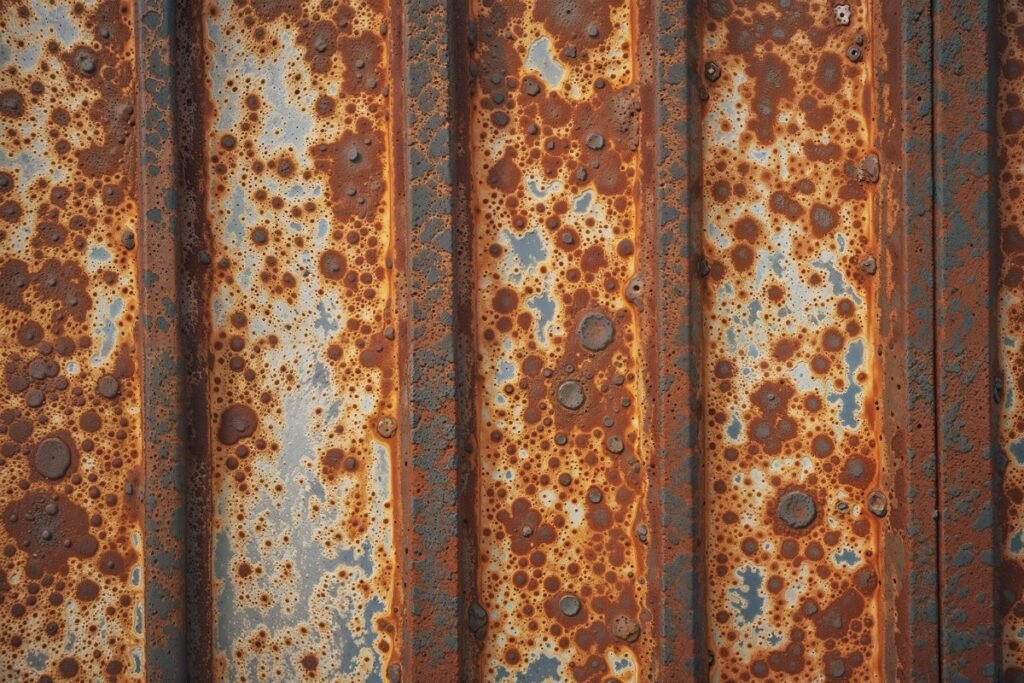
If you invested in metal siding, chances are you chose it because of its reputation for durability, low maintenance, and long lifespan. That is why discovering rust spots can feel frustrating and even a little alarming. Many homeowners immediately worry that their siding is failing or that an expensive replacement is unavoidable.
Fortunately, rust on metal siding does not always mean the entire system is compromised. In many cases, corrosion begins with minor issues such as trapped moisture, damaged coatings, or neglected maintenance. Understanding what causes rust on metal siding allows you to address problems early, extend the life of your exterior, and avoid costly repairs that could have been prevented with simple preventive measures.
What Is Rust on Metal Siding?
Rust is a natural chemical process that occurs when iron or steel reacts with oxygen and moisture. Over time, this reaction produces iron oxide, which appears as reddish-brown stains or rough spots on the surface. While many people associate rust with old buildings and neglected structures, even newer metal siding can develop corrosion if conditions are right. The good news is that modern coatings and finishes provide excellent protection when properly maintained.
Not all rust is equally serious. Surface rust often affects appearance without compromising structural integrity, while deeper corrosion can weaken the metal itself. Understanding the difference helps you determine whether simple repairs are sufficient or if replacement becomes necessary. Early detection is one of the most effective ways to preserve both the beauty and functionality of your metal siding.
How Rust Forms on Metal Surfaces
Metal siding made from steel relies on protective coatings to prevent direct exposure to moisture and oxygen. When these barriers become damaged or worn, the underlying metal becomes vulnerable to corrosion. Rain, humidity, and condensation create the conditions necessary for rust to develop. Once the process begins, it tends to spread if left untreated.
Many homeowners are surprised to learn that rust is often a gradual process rather than an immediate problem. Tiny scratches or overlooked moisture issues may go unnoticed for years before visible signs appear. By the time discoloration becomes obvious, corrosion may already be progressing beneath the surface. This is why regular inspections and preventive maintenance play such important roles in preserving your siding.
Difference Between Surface Rust and Structural Corrosion
Surface rust usually affects only the outer layer of metal and often appears as small stains or discoloration. In many cases, these spots can be cleaned, treated, and repainted without requiring extensive repairs. Homeowners who address surface corrosion promptly often avoid larger problems and maintain the appearance of their buildings for decades.
Structural corrosion, however, is much more serious. Deep pitting, holes, and widespread deterioration indicate that the metal itself has been compromised. When corrosion reaches this stage, replacement may become necessary to maintain the building’s integrity. Recognizing the difference between cosmetic and structural damage helps you respond appropriately and avoid unnecessary expenses.
Also Read:
What Causes Rust on Metal Siding?
Rust rarely develops without a reason. Most corrosion problems can be traced back to moisture, damaged coatings, or improper installation. Understanding these causes helps you identify vulnerabilities before they become costly repairs. Prevention is always easier and less expensive than dealing with extensive damage.
Moisture Exposure
Water is one of the biggest contributors to rust formation. Rain, snow, humidity, and condensation all provide the moisture necessary for corrosion to occur. Areas where water collects or remains trapped for extended periods are especially vulnerable. Homeowners living in humid climates often notice that rust develops more quickly if maintenance is neglected.
Even well-designed metal siding systems can experience problems when drainage is inadequate. Persistent moisture slowly wears down protective coatings and exposes the underlying metal. Regular inspections help identify areas where water accumulates and allow you to address issues before significant corrosion develops. Moisture management remains one of the most effective ways to protect metal siding.
Scratches, Dents, and Damaged Coatings
Protective coatings act as the first line of defense against corrosion. When scratches, dents, or paint chips expose bare metal, rust can begin forming surprisingly quickly. Storm debris, lawn equipment, and accidental impacts are common sources of damage that many homeowners overlook.
Minor imperfections may seem harmless at first, but they create entry points for moisture. Treating damaged areas promptly helps prevent corrosion from spreading. Many siding manufacturers offer touch-up products specifically designed to maintain protective finishes. Addressing small defects early often prevents much larger problems later.
Poor Drainage Around the Building
Improper drainage can create ideal conditions for rust development. Splashback from soil, clogged gutters, and standing water expose siding to excessive moisture. Areas near the foundation are particularly vulnerable because water tends to accumulate there during heavy rain.
Maintaining proper drainage not only protects your siding but also helps preserve the overall structure of your home. Keeping downspouts clear and ensuring water flows away from the building reduces long-term exposure to moisture. These simple measures often provide significant benefits with very little effort.
Salt and Chemical Exposure
Salt is highly corrosive and can accelerate the rusting process dramatically. Coastal environments expose siding to salty air, while road salt poses similar challenges in colder regions. Fertilizers, cleaning agents, and certain chemicals can also damage protective coatings and contribute to corrosion.
Homeowners living near the ocean or in areas where roads are frequently salted should pay particular attention to maintenance. Regular cleaning helps remove corrosive deposits before they cause damage. Taking these precautions can significantly extend the life of metal siding in demanding environments.
Improper Installation
Even high-quality materials can fail when installation mistakes occur. Incorrect fasteners, poor panel overlaps, and inadequate flashing create opportunities for moisture intrusion. Exposed cut edges that are left untreated also increase the risk of corrosion.
Professional installation helps ensure that water drains properly and that protective coatings remain intact. While cutting corners during construction may reduce upfront costs, it often leads to expensive repairs later. Proper workmanship remains one of the most important factors influencing long-term siding performance.
Contact With Dissimilar Metals
Galvanic corrosion occurs when incompatible metals come into contact in the presence of moisture. This reaction accelerates deterioration and can damage siding unexpectedly. Incorrect screws, flashing materials, or trim components often contribute to this problem.
Many homeowners are unaware that mixing metals can create serious issues over time. Using compatible materials helps prevent galvanic corrosion and protects the integrity of the siding system. Consulting manufacturer recommendations ensures that all components work together effectively.
Lack of Cleaning and Maintenance
Neglected maintenance allows dirt, debris, and organic matter to accumulate on metal surfaces. These materials trap moisture and create favorable conditions for corrosion. Hidden rust often develops behind trim pieces and in areas that receive little attention.
Routine cleaning helps remove contaminants before they cause damage. Homeowners who inspect their siding regularly often identify problems while they are still easy to correct. A little preventive care can dramatically extend the lifespan of metal siding and preserve its appearance.
Where Rust Usually Appears on Metal Siding
Rust rarely appears randomly. Certain areas are naturally more vulnerable because they experience greater exposure to moisture or mechanical stress. Knowing where to look helps you identify problems early and address them before they spread.
Around Fasteners and Screws
Fasteners are common locations for corrosion because washers can deteriorate over time. Loose screws and damaged seals allow moisture to penetrate beneath the surface. These small openings often become starting points for rust formation.
Regular inspections help ensure fasteners remain secure and weatherproof. Replacing damaged screws and washers is a relatively simple task that can prevent much larger problems. Paying attention to these details helps maintain the integrity of the entire siding system.
Along Cut Edges and Panel Ends
Cut edges expose raw metal and disrupt factory-applied coatings. Without proper treatment, these areas become particularly vulnerable to corrosion. Moisture that enters exposed edges can spread beneath the surrounding finish and accelerate deterioration.
Applying touch-up paint and protective sealants helps minimize this risk. Professional installers understand the importance of protecting cut edges and take steps to maintain corrosion resistance. Attention to these details contributes significantly to long-term durability.
Near Ground Level
Lower portions of siding experience constant exposure to splashback from rain and irrigation systems. Soil contact and mulch buildup also increase moisture retention. These conditions make ground-level sections especially susceptible to rust.
Maintaining adequate clearance between siding and landscaping helps improve airflow and reduce moisture exposure. Simple adjustments to grading and drainage can significantly improve long-term performance. Keeping vegetation away from the siding also contributes to better protection.
Around Doors, Windows, and Trim
Doors and windows create interruptions in the siding system where water intrusion is more likely. Poor caulking and inadequate flashing allow moisture to become trapped behind panels. Over time, these hidden areas can develop significant corrosion.
Regular inspections of seals and trim components help identify vulnerabilities before they become major problems. Maintaining these details protects both the siding and the underlying structure. Small maintenance tasks often prevent expensive repairs later.
Which Types of Metal Siding Are Most Likely to Rust?
Steel siding provides exceptional strength but depends heavily on protective coatings. Galvanized steel offers zinc-based protection, while Galvalume incorporates aluminum for improved corrosion resistance. Aluminum siding does not rust in the traditional sense, though it can oxidize and develop surface discoloration.
Each material has strengths and limitations. Understanding these differences helps you choose products suited to your climate and maintenance preferences. Matching materials to environmental conditions contributes significantly to long-term performance and satisfaction.
How to Prevent Rust on Metal Siding
Preventing rust is much easier than repairing advanced corrosion. Regular cleaning, prompt repairs, and proper drainage all contribute to a healthier siding system. Homeowners who establish simple maintenance routines often enjoy decades of trouble-free performance.
Touching up scratches, inspecting seams, and using compatible fasteners also reduce corrosion risks. These practices require minimal effort but provide substantial benefits. Consistent attention helps preserve both the appearance and functionality of your siding.
How to Remove Rust From Metal Siding
Small rust spots can often be repaired successfully with proper treatment. Cleaning the affected area, removing loose corrosion, and applying rust-inhibiting products help stop the deterioration process. Repainting damaged areas restores protection and improves appearance.
Patience is important during the repair process. Skipping preparation steps or painting directly over rust can lead to recurring problems. Taking the time to treat corrosion properly ensures longer-lasting results and protects your investment.
When Rust Means You Should Replace Metal Siding
Surface corrosion is usually repairable, but widespread rust, deep pitting, and holes indicate more serious issues. Extensive damage may compromise structural integrity and increase the risk of water intrusion. In these situations, replacing affected panels often represents the most practical solution.
Water damage behind the siding is another warning sign that should not be ignored. Hidden deterioration can affect framing and insulation, leading to more expensive repairs. Consulting experienced professionals helps determine whether repair or replacement is the better option.
Frequently Asked Questions
Why is my metal siding rusting?
Moisture, damaged coatings, and poor maintenance are the most common causes.
Can rust on metal siding be repaired?
Yes, surface rust can usually be cleaned and treated successfully.
Does galvanized metal siding rust?
Yes, especially after the protective zinc coating begins to wear away.
Is rust on metal siding dangerous?
Surface rust is mostly cosmetic, but severe corrosion can weaken the metal.
How often should metal siding be cleaned?
Most homes benefit from cleaning at least once or twice per year.