
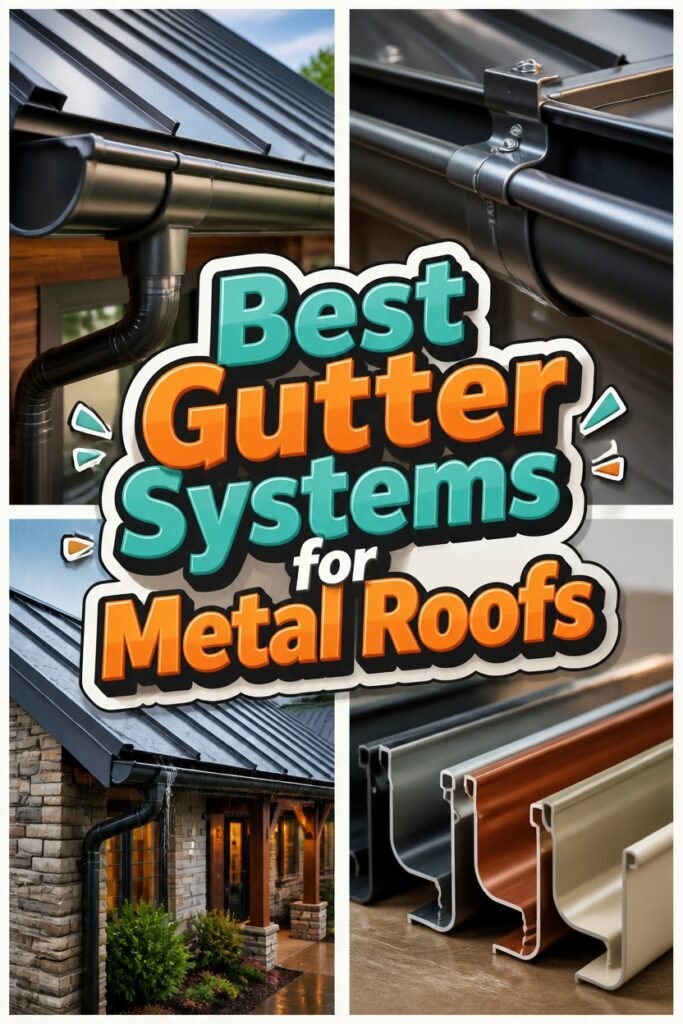
Metal roofs catch the eye, but they also catch a lot of water. Fast runoff and temperature swings mean your gutters need to work harder than usual.
Aluminum, stainless steel, and copper each handle these demands differently. Climate matters here, as do your budget and the look you want. Some materials age beautifully, others stay quietly practical.
Seamless designs cut down on leaks, which helps when water is rushing off the roof.
Getting the size right matters just as much. A system that fits your home protects it for years to come.
Why Metal Roofs Need Special Gutters
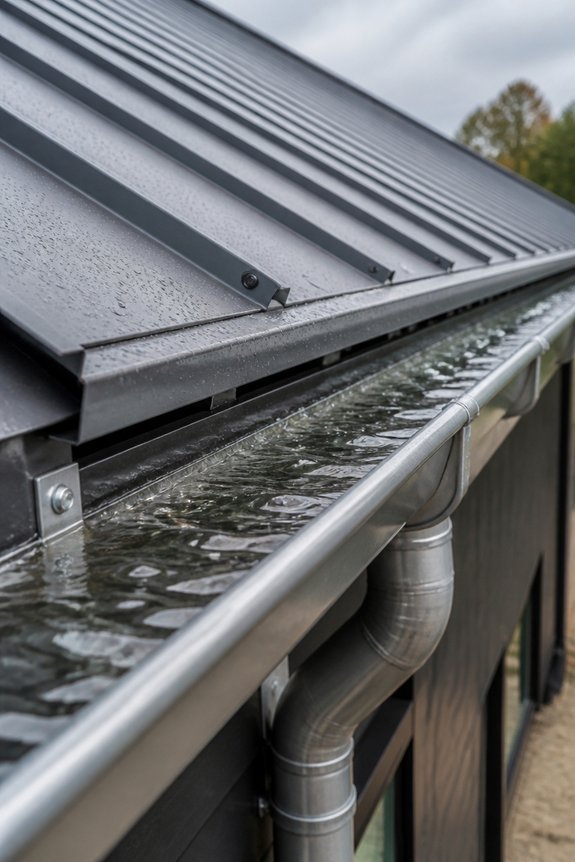
Metal roofs move with temperature changes. They expand when hot and contract when cold. This constant motion can pull standard gutters away from fascia boards, creating gaps where water escapes.
Water also travels differently on metal. The smooth surface sends it rushing down in high volumes. Standard gutters simply cannot keep up during heavy storms. They overflow instead of channeling water safely away.
Specially designed gutters solve this problem. They feature wider openings and higher capacity to handle rapid runoff. Many also include special mounting systems that flex with the roof’s movement.
Corrosion requires attention too. Metal roofs react badly with certain gutter materials through galvanic action. Aluminum gutters may deteriorate against steel roofs, or vice versa. Always choose compatible metals or protective coatings to prevent premature failure.
Aluminum Gutters: Affordable and Low-Maintenance
Aluminum gutters work well for homeowners who need affordability and solid performance with metal roofs. They cost less than copper or steel options. Most property owners find them easy on the budget.
Rust and corrosion won’t bother aluminum. That means less upkeep for you over the years. You’ll just need to clear out debris and leaves now and then.
Installation goes smoothly because aluminum weighs so little. Contractors can work faster, which keeps labor costs down.
These gutters come in several colors. White, brown, and bronze are popular picks. You can match them to your roof style without much trouble.
Water flows through them efficiently from metal roofs. Runoff lands where it should, away from your foundation and landscaping.
Standard sizes fit most residential metal roof setups. With basic care, expect 20 to 25 years of service.
Stainless Steel Gutters: Corrosion-Resistant Performance
Homeowners choose stainless steel when they want top durability with metal roofs. This material fights rust and corrosion much better than aluminum or galvanized steel. Coastal areas and harsh climates suit it perfectly.
You can expect 20-30 years of service from stainless steel gutters. Standard options simply cannot match that lifespan. The material also needs very little cleaning. Corrosion damage rarely calls for repairs.
The upfront investment runs steeper than aluminum. Plan for $15-25 per linear foot. Over time, the longer life and lower maintenance balance those initial costs.
Stainless steel handles larger gutter sizes without sagging. Its smooth surface blocks debris buildup and algae growth. Water flows through more efficiently as a result.
Copper Gutters: Premium Aesthetics and Lifespan
Copper gutters offer homeowners a lasting investment. They also bring a unique look that pairs beautifully with metal roofs.
Over time, copper develops a natural patina. The color shifts from bright orange-brown to green or blue-gray. Many homeowners love this aged, elegant appearance.
This material resists corrosion exceptionally well. It often lasts 50 years or more with little upkeep. Copper also handles temperature swings without cracking or warping.
Installation costs more than aluminum. Expect to pay $15 to $25 per linear foot. The long-term durability helps offset this initial expense.
Copper gutters complement both standing seam and metal tile roofs. They suit modern homes just as well as traditional ones.
Keep them clean to prevent debris buildup. Compared to other materials, copper needs far fewer repairs across its lifetime.
Seamless vs. Sectional: Installation Methods Compared
Seamless Gutters: Made for Your Home
Seamless gutters arrive as continuous metal coil. Installers shape them on-site to fit your roof exactly. Fewer joints mean fewer leaks. They also give your home a smooth, clean look.
Equipment needs make professional installation a must. Expect higher upfront costs. The payoff comes later with less maintenance and repairs.
Sectional Gutters: Build It Yourself****
Sectional systems use pre-cut pieces you connect with fittings and sealant. Handy homeowners can tackle this project alone. The price tag stays lower at the start.
More seams create more weak spots. Water can find its way through over time. Plan on checking these areas regularly.
Metal Roof Considerations
Heavy rain tests any gutter system. Seamless designs handle downpours better with their single-piece construction. Sectional options hold up fine in milder climates where storms stay moderate.
Your choice balances three things: available budget, local weather, and how much upkeep you prefer.
Size Your Gutters for Metal Roof Water Volume
Metal roofs shed water faster than asphalt shingles. This makes gutter sizing more important than many homeowners realize.
Standard 5-inch gutters work for most homes with metal roofing. You will need 6-inch gutters if your roof has a steep pitch. High-rainfall areas also require this larger size.
Professionals measure your roof’s square footage first. They also check local precipitation rates. These two numbers determine the right gutter capacity.
A 2,000-square-foot roof in a moderate climate usually needs 5-inch gutters. Pair these with 4-inch downspouts. Space those downspouts about 30 to 40 feet apart.
Metal roofs can produce 20 to 30 percent more runoff than asphalt. Many homeowners underestimate this difference. You may need bigger gutters than you first expected.
High-rainfall regions call for 6-inch gutters. Downspouts should sit closer together in these areas. This prevents the system from overwhelming during storms.
Undersized gutters spill water over the edges. That overflow damages fascia boards and siding. Your foundation can suffer too.
Proper sizing protects your roof and the structures around it. Good drainage prevents costly moisture problems down the road.
Installation, Maintenance, and Troubleshooting Guide
Installation Basics
Once you have the right gutter size for your metal roof, installation is your next step. Space brackets 24 to 36 inches apart. Make sure the gutter slopes toward the downspouts so water drains properly.
Apply sealant at every seam and joint. This prevents leaks that can damage your roof and home over time.
Routine Maintenance
Clear out leaves and debris regularly. Check for rust, corrosion, and loose fasteners every three months. Clean gutters before winter hits. This stops ice buildup and overflow problems.
Troubleshooting Common Issues
Standing water means your slope is off. Rust spots need quick attention before they spread. Loose brackets cause gutters to sag and misalign.
Keep downspouts clear so water flows freely. Schedule a professional inspection once a year. Catching problems early protects your fascia and foundation from expensive repairs.
Frequently Asked Questions
How Much Does It Cost to Install Gutters on a Metal Roof?
Metal roof gutter installation typically costs between $3 to $25 per linear foot, depending on material quality, gutter type, and regional labor rates. A complete system for an average home ranges from $1,500 to $5,000 installed.
Can I Install Metal Roof Gutters Myself, or Do I Need a Professional?
DIY installation is possible for experienced homeowners with proper tools and safety equipment. However, professionals ascertain proper slope, secure fastening, and seamless joints. Hiring a contractor typically guarantees warranty protection and code compliance.
What’s the Typical Lifespan of Different Gutter Materials for Metal Roofs?
Aluminum gutters typically last 20-25 years, steel gutters 15-20 years, copper gutters 50+ years, and vinyl gutters 10-15 years. Copper remains the most durable option for metal roof systems.
How Often Should Metal Roof Gutters Be Cleaned and Inspected?
Metal roof gutters require cleaning twice yearly, spring and fall, though homeowners ironically neglect this simple task until water cascades everywhere. Quarterly inspections catch debris, rust, and separation before costly damage occurs, making prevention paradoxically harder than repairs.
Are There Any Local Building Codes or Permits Required for Gutter Installation?
Local building codes and permits vary by jurisdiction. Homeowners should contact their municipal building department to determine specific requirements for gutter installation, as most areas mandate permits for roofing work and related installations.
Conclusion
Metal roof owners, by chance, discover that seamless gutters in aluminum, stainless steel, or copper solve their drainage challenges effectively. Proper sizing, typically six inches for steep areas, manages increased water volume efficiently. Professional installation combined with regular maintenance prevents leaks and extends gutter lifespan greatly. Selecting appropriate materials and dimensions guarantees reliable protection for the home’s exterior structure.