
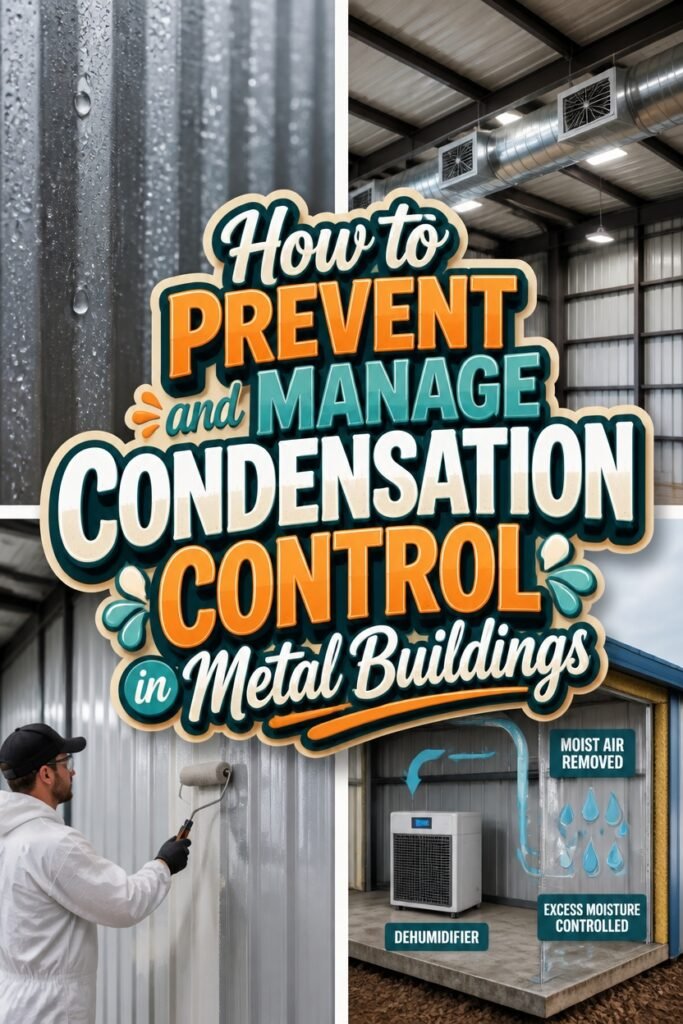
Metal buildings have a quiet nemesis: condensation. When warm, moist air meets cold steel, water appears seemingly out of nowhere. It drips onto equipment, stains walls, and slowly wears down what should be a sturdy structure.
The culprits are usually hiding in plain sight. Everyday activities release moisture into the air. Poor ventilation traps it inside. Gaps in insulation let cold surfaces stay cold. Together, these small oversights create a problem that compounds over time.
Thankfully, the fixes are straightforward once you know where to look. Ridge vents and soffit vents invite fresh air through the space. Closed-cell foam and vapor barriers seal the envelope tight. Each solution addresses a specific weak point, and combining them brings real, lasting protection.
Still, a metal building is not a set-it-and-forget-it space. Seasons shift. Humidity rises and falls. A quick check in spring and fall keeps small issues from becoming expensive headaches down the road.
How Condensation Forms in Metal Buildings
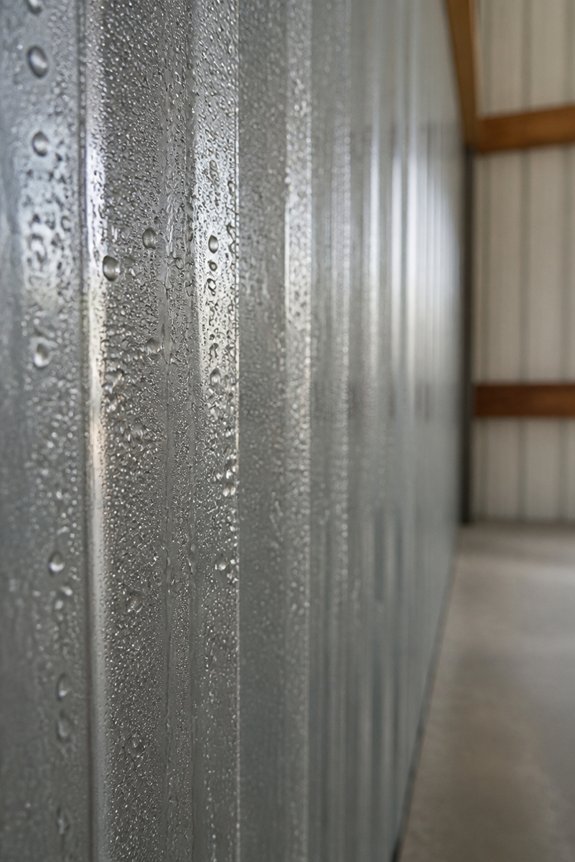
Temperature difference creates the primary condition for condensation in metal buildings. Warm, moist air hits cold metal surfaces. Water vapor turns into liquid droplets. This happens often in humid spaces like indoor pools, manufacturing plants, or agricultural structures.
Metal conducts temperature quickly. Roof and wall surfaces become much colder than the air inside. In winter, heated indoor air rises and meets frigid outer panels. Summer brings similar trouble. Air conditioning cools interior spaces while outside surfaces stay hot.
Poor ventilation makes things worse. Moisture-laden air gets trapped inside. Buildings without good air circulation or vapor barriers see faster condensation buildup. Industrial processes create steam. Water evaporates from products. People breathing inside adds even more moisture.
Identify Your Building’s Moisture Sources and Risk Zones
Pinpointing where moisture enters a metal building is the first step toward effective condensation control. Common sources include doors, windows, roof penetrations, and loading docks. These openings let outside air flow in frequently.
Risk zones form where temperature differences exist. Watch for uninsulated roof sections, cold exterior walls, and spaces above refrigerated storage. Buildings with food processing, laundries, or indoor pools create substantial internal moisture too.
Start by examining your building layout and daily operations. Note seasonal patterns that affect humidity levels. Simple documentation of problem areas helps you prioritize fixes.
Every building differs based on type and function. Customized assessments catch issues that generic checklists miss. Regular inspections of vulnerable spots catch condensation early, before costly damage sets in.
Install Ventilation to Stop Condensation Before It Starts
Ventilation systems remove excess moisture from the air before it settles on cold surfaces. Proper airflow reduces humidity levels throughout metal buildings. This prevents moisture from building up in storage areas, warehouses, and manufacturing spaces.
Ridge vents, soffit vents, and mechanical fans work together to keep air moving. Exhaust fans in bathrooms and kitchens handle localized moisture quickly. Intake vents should balance outlet vents for steady circulation.
Buildings with poor ventilation often develop condensation problems within weeks. Installing vents near roof peaks lets warm, moist air escape naturally. Foundation vents stop ground moisture from rising into the structure.
Regular maintenance keeps systems running smoothly year-round. This includes duct cleaning and fan inspection.
Select Insulation and Vapor Barriers That Block Condensation
Ventilation removes moisture from the air. Insulation and vapor barriers stop condensation before it starts.
Insulation reduces temperature differences between interior and exterior walls. This minimizes dew point conditions. Closed-cell foam insulation and fiberglass batts are popular for metal buildings.
Vapor barriers block moisture from moving through walls. Polyethylene sheeting and kraft-faced insulation are common choices. Install the vapor barrier on the warm side of the wall. This stops warm, moist air from hitting cold surfaces.
Builder’s felt and reflective barriers provide extra options. Choose R-values that match your local climate. Proper temperature regulation keeps your building protected. These materials work as a system to control moisture and maintain building integrity.
Lower Humidity to Control Condensation Year-Round
Managing indoor humidity prevents condensation in metal buildings. Warm, humid air hits cold surfaces and creates water droplets. Keep humidity between 30 and 50 percent to reduce this risk.
Dehumidifiers pull excess moisture from the air. They work especially well in spring and summer. Ventilation systems, including exhaust fans and air circulation units, remove humid air from occupied spaces. Open doors and windows during mild weather for natural air exchange. Heating systems lower relative humidity in winter by warming interior air.
Track moisture levels with hygrometers. This helps building operators stay on top of humidity control. Proper humidity management prevents structural damage, mold growth, and material deterioration in metal buildings.
Seal Leaks That Trap Condensation and Moisture
Beyond controlling humidity, building owners need to seal physical entry points. Gaps around doors, windows, roof penetrations, and wall seams let outside air in. This air carries moisture that condenses on cold interior surfaces. Sealing these leaks stops the problem at its source.
Common problem areas include roof joints and flashing where panels connect. Door and window frames with worn weatherstripping are also frequent culprits. Check utility penetrations for electrical and plumbing lines. Expansion joints between structural sections need attention too.
Regular inspections catch deterioration early. This prevents costly moisture damage down the road. Silicone caulk and weather stripping work well as barrier materials. They block both air and moisture movement effectively.
Metal building maintenance means tackling both sides of the issue. Control interior humidity and seal exterior leaks systematically. A proactive approach protects your investment for years to come.
Track Temperature Gaps That Trigger Condensation
Temperature differences between interior and exterior surfaces create conditions for condensation. Metal buildings experience significant gaps because metal conducts heat rapidly. Surface temperatures drop quickly when outdoor air cools.
Monitoring these variations helps identify risk areas. Track indoor temperatures, outdoor temperatures, and surface temperatures. Use thermometers or thermal imaging equipment. Common problem zones include roof panels, wall sections near doors, and poorly insulated areas.
Gaps exceeding 10 degrees Fahrenheit indicate high condensation potential. Regular monitoring during seasonal changes reveals when problems are most likely. This data guides decisions about ventilation adjustments, insulation improvements, and moisture control strategies.
Clean, Repair, and Prevent Recurring Moisture Damage
Temperature monitoring pinpoints problem areas. Then facilities need to tackle existing damage and put prevention in place.
Cleaning and Repairs
Cleaning affected surfaces clears away mold, mildew, and corrosion. These build up fast in damp environments. Fixing damaged insulation, seals, and metal components stops moisture from spreading deeper. Inspect ductwork, roof openings, and wall joints often. These spots frequently trap condensation.
Prevention Measures
Install vapor barriers and upgrade ventilation systems. This cuts humidity levels significantly. Dehumidifiers handle trouble spots well. Protective coatings on metal surfaces slow corrosion over time. Set up a regular maintenance schedule. This ensures steady monitoring and catches recurring issues early. Keep records of moisture patterns. They reveal seasonal trends and help refine your prevention approach.
Build a Seasonal Maintenance Schedule
Seasonal Maintenance Schedule
Spring Tasks
Inspect roof seals after winter weather. Clear gutters and check drainage systems. These steps catch small problems before they grow.
Summer Tasks
Test ventilation efficiency. Remove obstructions from fans and vents. Good airflow prevents moisture buildup during humid months.
Fall Tasks
Clear debris from gutters. Seal cracks and gaps. Prepare insulation for colder temperatures ahead.
Winter Tasks
Monitor interior condensation levels. Verify heating systems work properly. Check for ice dam formation on roofs.
Documentation and Accountability
Record inspections monthly. Note temperature, humidity, and any visible moisture or rust. Schedule tasks during predictable weather windows to avoid emergency repairs. Assign specific staff members to each task. This structure keeps moisture problems from becoming costly damage.
Frequently Asked Questions
What Is the Cost Difference Between Various Condensation Control Solutions for Metal Buildings?
Condensation control solutions vary markedly in cost. Passive ventilation systems range from $1-3 per square foot, while active dehumidification costs $5-15 per square foot. Insulation upgrades typically run $2-8 per square foot depending on material quality and installation complexity.
How Long Does It Take to See Results After Implementing Condensation Prevention Measures?
Like seeds sprouting after planting, condensation prevention measures typically demonstrate visible improvements within days to weeks. Results accelerate as ventilation systems stabilize, moisture barriers activate, and thermal regulation establishes equilibrium within the metal structure’s environment.
Can Condensation Damage Be Reversed or Is It Permanent in Metal Buildings?
Condensation damage in metal buildings can be partially reversed through prompt intervention, including rust removal and repainting. However, structural deterioration and deep corrosion typically cause permanent damage requiring replacement of affected components.
Which Condensation Control Method Works Best for Metal Buildings in Humid Climates?
Research indicates that 85% of metal building failures stem from moisture management issues. Ventilation systems combined with vapor barriers prove most effective in humid climates, reducing interior moisture levels considerably while maintaining structural integrity.
Do Metal Building Insurance Policies Cover Condensation and Moisture Damage Claims?
Most standard metal building insurance policies exclude condensation and moisture damage claims, classifying them as maintenance issues rather than covered perils. Property owners should review specific policy language and consider additional coverage options for protection.
Conclusion
Effective condensation management requires combining ventilation, insulation, vapor barriers, and regular maintenance. Studies show metal buildings experience 30% more condensation issues than traditional structures, making proactive prevention essential. Property owners who implement extensive moisture control systems reduce structural damage and mold growth considerably. Monitoring humidity levels, sealing leaks, and maintaining seasonal schedules protect building integrity year-round, ensuring long-term durability and safety.