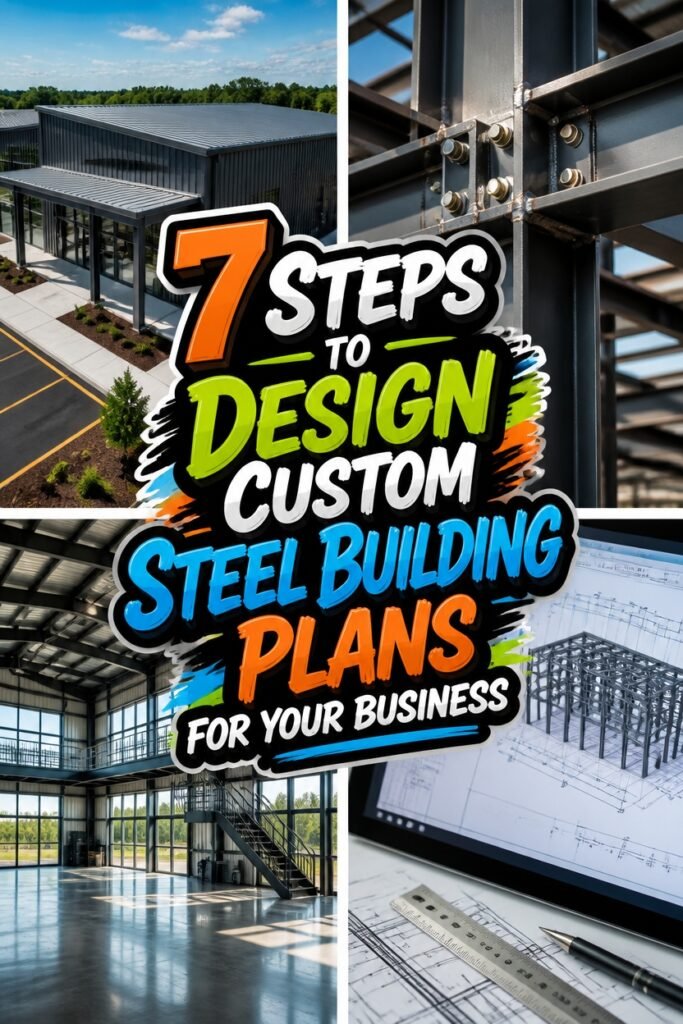
Designing custom steel building plans sounds technical, but it starts with something simple: knowing what you actually need.
Space, budget, and daily operations all shape the blueprint before any steel goes up.
The real trick is seeing how these pieces connect. One choice quietly affects another, nudging your timeline and costs in directions you might not expect.
It helps to view the process as a series of gentle puzzles rather than overwhelming hurdles.
Stay patient and present with each phase. A well-planned steel building becomes more than shelter. It becomes the kind of space that actually works for your business, day after day.
Define Your Square Footage, Ceiling Height, and Load Requirements
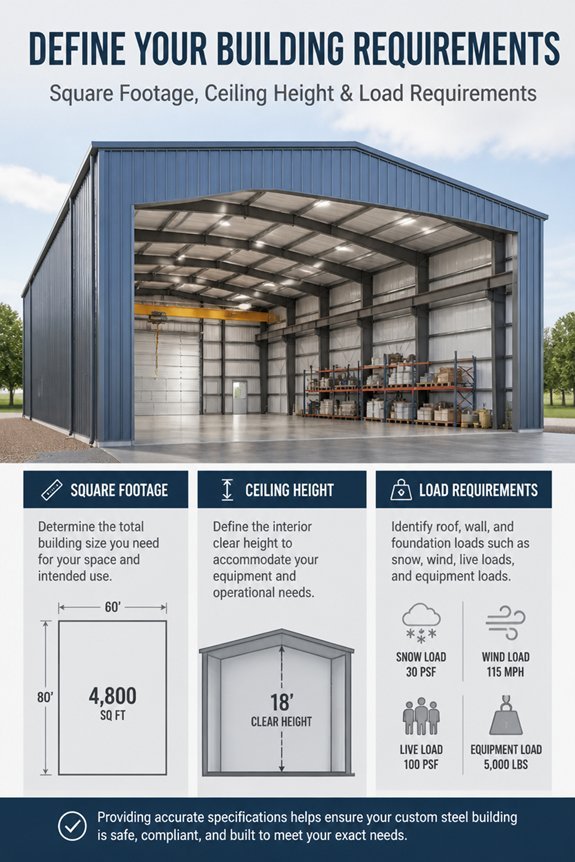
The foundation of a custom steel building starts with three simple measurements.
Square footage sets your total building size. You might need 5,000 square feet for a warehouse. Or 50,000 for a manufacturing plant.
Ceiling height shapes both daily use and your budget. Standard ranges run 14 to 24 feet. Your equipment and storage needs will point you to the right number.
Load requirements tell you how much weight the structure must handle. Think equipment, inventory, snow loads, and wind.
These three factors work as a team. Together they determine beam size, column spacing, and how deep your foundation goes.
Getting them right from the start saves money later. You’ll avoid expensive changes and end up with a building that meets your needs and passes local code inspections.
Figure Out What You Can Spend (and Where to Prioritize)
Once the building specifications are locked in, budget planning becomes the next critical step. Business owners must first determine their total available funds. Then they can allocate resources across foundation work, steel framing, roofing, and interior systems.
Prioritization depends on operational needs. A manufacturing facility might invest heavily in clear-span roof systems. A storage warehouse could defer expensive HVAC installation. Insulation, electrical work, and climate control typically consume 30-40% of total costs.
Getting quotes from multiple steel suppliers and contractors helps establish realistic pricing. Contingency funds, usually 10-15% of the total budget, cover unexpected expenses during construction.
Breaking down costs by category allows business owners to identify where they can reduce expenses. They can make these cuts without compromising structural integrity or safety requirements.
Select Steel Gauge, Roofing, Insulation, and Foundation Type
Steel Gauge
Lower gauge numbers mean stronger steel. 14 gauge handles heavy loads best. 22 gauge works for lighter applications. Match the thickness to your building’s demands.
Roofing
Standing seam metal sheds snow and rain effectively. Corrugated panels offer a budget-friendly choice. Single-ply membranes suit flat roof designs. Pick based on your local weather patterns.
Insulation
Fiberglass batts install easily between frames. Spray foam seals gaps and boosts R-value significantly. Rigid boards work well for continuous coverage. Better insulation means lower energy bills year-round.
Foundation Type
Concrete slabs suit stable, level ground. Pier systems lift buildings above flood-prone areas. Grade beams distribute weight across uneven soil. A soil test helps determine the right fit.
Bringing It Together
Factor in climate, occupancy, and upkeep when choosing. These selections tie directly back to your budget. Smart coordination now prevents costly changes later.
Partner With a Steel Building Designer or Engineer
Most projects run smoother when you bring in a qualified professional early. They understand your local codes, structural needs, and site conditions.
These experts check your soil, wind loads, and snow depth. They draw up plans that meet zoning rules and get you permitted without headaches.
A designer sizes your columns and beams properly. They also plan for future growth and equipment needs down the road.
This upfront partnership saves money and time. Small errors get caught early before they turn into big problems.
Design fees usually run 5-15% of your total budget. That beats paying for fixes after construction starts.
Many towns require stamped engineer approval anyway. Hiring one from the start keeps your project moving.
Add Utilities, HVAC, Electrical, and Safety Systems to Your Plan
Your designer has finished the structural frame and layout. Now it’s time to plan your building’s essential systems.
Work with mechanical and electrical engineers to place heating, cooling, and ventilation equipment. Map out your ductwork routes, thermostat spots, and insulation needs. These choices depend on your building size and local climate.
Plan your electrical layout carefully. Circuits, outlets, panels, and lighting fixtures all need exact locations. Think about backup power and emergency lighting now too.
Fire suppression systems deserve attention during this stage. Don’t wait until later to address safety features.
Water lines and drainage need precise mapping. Good plumbing connections keep your building running smoothly.
Safety exits, sprinklers, and alarms must meet local codes. Check regulations specific to your facility type early.
Get Local Permits, Zoning Approval, and Code Compliance Verified
Get Your Permits Sorted Early
Start by submitting detailed plans to your local building department. They will review structural integrity, fire safety, and electrical systems. This step sets the foundation for everything that follows.
Zoning approval ensures your steel building meets local land-use rules and setback requirements. An inspector will check foundation designs, material specs, and HVAC installations. This process typically takes two to eight weeks, depending on your location.
Verify Code Compliance
Code compliance confirms your project follows the International Building Code, local amendments, and industry standards. You may need separate permits for electrical, plumbing, and mechanical work.
Local authorities might ask for plan modifications before giving final approval. Getting these clearances upfront prevents costly delays and legal headaches later.
Verify Your Blueprints Against Budget, Codes, and Functional Needs
After securing permits and code approval, builders face a critical checkpoint. They must verify that blueprints align with budget constraints, building codes, and functional needs.
This verification process cross-references design specifications against approved budgets. Material costs, labor expenses, and contingencies must stay realistic. Blueprints also need confirmation that structural elements, fire safety provisions, and material standards meet local codes.
Functional verification examines if the layout supports intended operations. A manufacturing facility needs adequate clearance for equipment movement. Office buildings require proper HVAC distribution and electrical load capacity.
Discrepancies demand resolution before construction begins. Budget overruns call for design adjustments or value engineering. Code conflicts require plan modifications and resubmission. Functional gaps need layout reconsideration.
This verification stage prevents costly mid-construction changes and project delays.
Frequently Asked Questions
How Long Does the Custom Steel Building Design and Construction Process Typically Take?
Custom steel building design typically requires four to twelve weeks, depending on complexity and specifications. Construction duration ranges from three to nine months, influenced by size, site conditions, and weather. Total project timelines generally span six to eighteen months.
What Are the Long-Term Maintenance Requirements for Steel Buildings?
Steel buildings require minimal maintenance, with studies showing they last 50+ years with proper care. Regular inspections, rust prevention through coatings, and roof maintenance are essential long-term requirements for ideal performance.
Can Steel Buildings Be Expanded or Modified After Initial Construction?
Steel buildings can be expanded or modified after construction. Their open-span design and bolted connections allow for relatively straightforward additions, reconfiguration of interior spaces, and structural alterations to accommodate changing business needs.
Are Steel Buildings More Cost-Effective Than Traditional Construction Methods?
Steel buildings typically offer lower construction costs than traditional methods due to faster assembly, reduced labor requirements, and minimal waste. However, final expenses depend on specific project requirements, location, and material prices at the time of construction.
What Financing or Loan Options Are Available for Steel Building Projects?
Steel building financing flows like water finding its course—through traditional bank loans, SBA programs, equipment financing, and construction lines of credit. Lenders increasingly favor steel projects due to their durability and lower insurance costs, making approval rates competitive.
Conclusion
Designing custom steel building plans requires systematic attention to space, budget, materials, professional guidance, systems integration, permits, and verification. Without completing each step thoroughly, how can businesses avoid expensive redesigns later? Success depends on coordinating specifications with local codes, ensuring blueprints match functional needs, and confirming all components align before construction begins. Proper planning prevents costly delays.