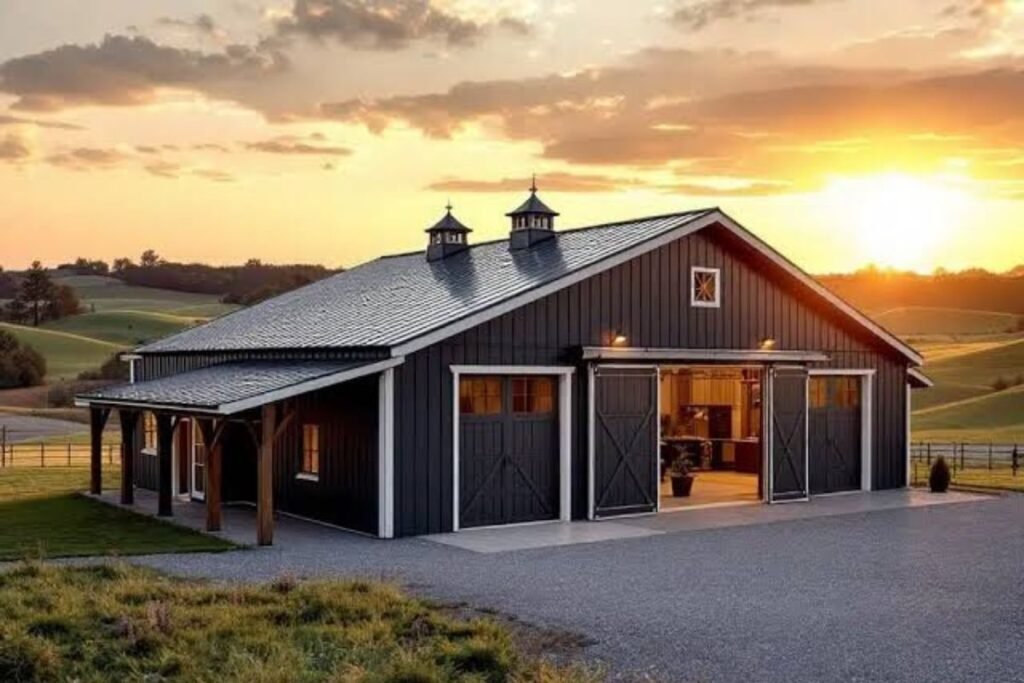
When you start planning a pole barn, one of the first questions that naturally comes to mind is, “How much will it cost?” The answer is not always straightforward because no two projects are exactly alike. A simple storage building and a fully insulated workshop with electricity and plumbing may both be called pole barns, yet their costs can vary dramatically.
Whether you are building a garage, agricultural structure, horse barn, or hobby workshop, understanding the factors that influence pricing can help you make better decisions and avoid unpleasant surprises. A little planning at the beginning often saves both money and frustration later in the construction process.
What Is the Average Cost of a Pole Barn?
Pole barns are known for being cost-effective compared to traditional construction methods, but the final price depends on numerous variables. On average, a basic pole barn can cost between $15 and $40 per square foot, while larger and more customized buildings can exceed that range. Homeowners often begin with a rough estimate and later realize how quickly features and upgrades influence the budget.
Understanding the average cost provides a useful starting point, but the real value comes from understanding why prices differ from one project to another. Knowing what drives costs allows you to prioritize features and allocate your budget more wisely.
Typical Pole Barn Cost Range
The size and intended purpose of your pole barn largely determine the overall investment. A small storage building may cost only a few thousand dollars, while a large workshop or agricultural facility can require a much larger budget. Many homeowners are surprised to discover how affordable basic pole barns can be compared to traditional framed structures.
However, as features such as insulation, concrete flooring, and custom doors are added, costs naturally increase. Establishing realistic expectations early helps you plan more effectively and prevents disappointment when reviewing contractor estimates.
Why Prices Differ by Project
No two pole barn projects are identical, which explains why estimates often vary significantly. Location, labor costs, material selection, and custom features all influence the final price. A barn designed for storing equipment will have very different requirements than one intended as a workshop or living space.
Even local weather conditions and building codes can affect construction costs. Understanding these differences helps you recognize that price variations are normal and allows you to compare quotes more intelligently rather than focusing solely on the lowest number.
Factor 1: Pole Barn Size and Layout
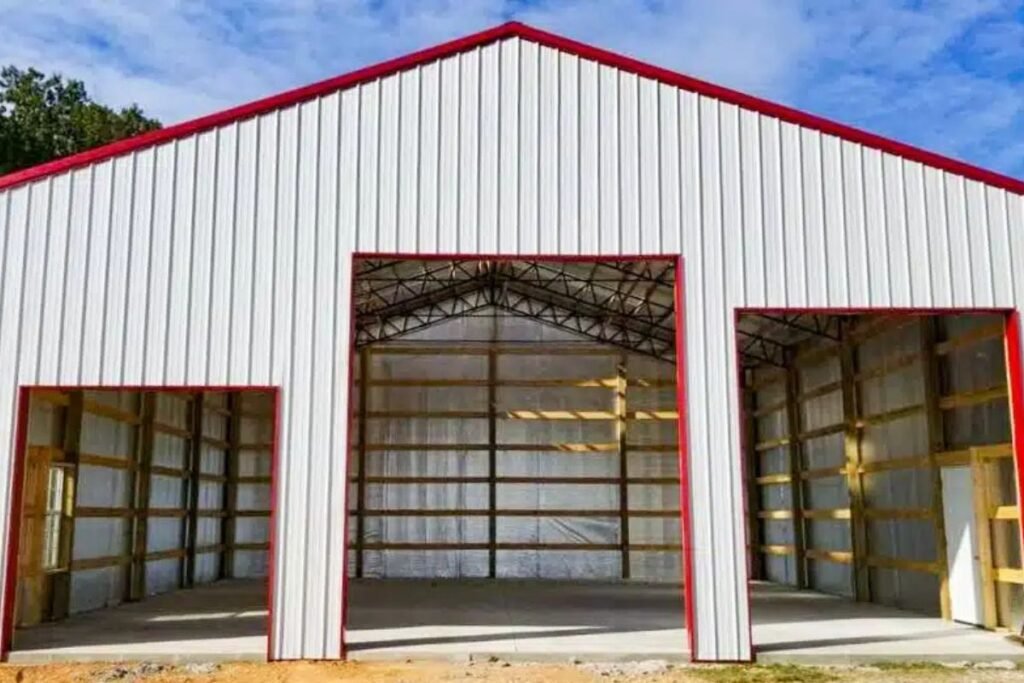
Among all the variables that affect construction costs, size is often the most significant. Larger buildings require more materials, additional labor, and bigger foundations. While increasing dimensions may seem like a simple change, the impact on the budget can be substantial. Thoughtful planning can help you strike a balance between your current needs and future expansion possibilities.
How Square Footage Affects Cost
The larger the building, the more materials are required for posts, trusses, siding, and roofing. Labor costs also increase because larger structures naturally take more time to complete. Homeowners sometimes underestimate how quickly expenses rise as square footage expands. A few additional feet in width or length can significantly affect the overall budget. Understanding this relationship allows you to design a building that meets your needs without exceeding your financial comfort zone.
Another consideration is the cost efficiency of larger buildings. Although total expenses rise with size, the cost per square foot may actually decrease. This often makes larger structures more economical in terms of long-term value. Planning carefully helps ensure you maximize usable space without overspending.
Building Height and Clear Span Requirements
Height and clear span requirements can add considerable complexity to a project. Taller walls and wider openings require stronger structural components and more advanced engineering. If you need space for recreational vehicles, farm equipment, or large machinery, these factors become especially important. Many owners initially overlook height requirements until they realize their future needs demand additional clearance.
Wider spans often require larger trusses and reinforced framing systems. These enhancements improve functionality but also increase costs. Thinking ahead about how you plan to use the building helps prevent the need for expensive modifications later. Investing in adequate dimensions from the beginning often proves more economical than expanding after construction is complete.
Simple vs Complex Layouts
Simple rectangular layouts are usually the most affordable because they require fewer materials and involve less labor. Complex floor plans with multiple sections, lean-tos, or custom interior spaces increase both material and construction costs. Although these features can improve functionality, they also add complexity to the project.
Many homeowners find that keeping the design straightforward provides the best balance between practicality and affordability. A simple structure can still offer excellent versatility while minimizing unnecessary expenses. Focusing on essential needs rather than elaborate features often results in better long-term value.
Factor 2: Materials and Building Components
Material selection plays a major role in determining both initial costs and long-term durability. From structural posts to roofing panels, every component influences the final budget. Choosing quality materials may require a higher upfront investment, but it often leads to lower maintenance costs and improved longevity.
Post and Frame Materials
Pole barns typically utilize treated wood posts, laminated columns, or steel framing systems. Each option offers distinct advantages in terms of strength, durability, and price. Treated wood remains the most common choice because it provides excellent value and proven performance.
Steel framing offers exceptional durability but generally comes with higher costs. Laminated columns provide additional strength and are increasingly popular in larger buildings. Selecting the right structural system depends on your intended use, climate, and budget. Understanding these options helps you make informed decisions that align with your priorities.
Roofing and Siding Choices
Metal roofing and siding have become the preferred choice for many pole barns because of their durability and low maintenance requirements. However, not all metal panels are created equal. Factors such as gauge thickness, paint quality, and protective coatings influence both performance and cost.
Higher-quality materials may cost more initially but often deliver better long-term value. Many homeowners appreciate the peace of mind that comes from investing in products designed to withstand harsh weather conditions. Balancing durability with affordability helps ensure that your building remains functional and attractive for decades.
Doors, Windows, and Openings
Doors and windows significantly affect both convenience and cost. Large overhead doors, sliding doors, and custom window arrangements can quickly increase the overall budget. While natural light and easy access improve usability, they also require additional framing and materials.
Many people underestimate the impact of these features until they begin reviewing estimates. Prioritizing functionality helps prevent overspending on unnecessary upgrades. Thoughtful placement and careful selection allow you to enhance convenience while maintaining financial control.
Factor 3: Site Preparation and Foundation Work
Site preparation is often one of the most underestimated expenses in any construction project. A beautiful building means little if the ground beneath it is unstable or poorly drained. Proper preparation ensures long-term structural performance and minimizes future maintenance concerns.
Land Clearing and Grading
If your property contains trees, rocks, or uneven terrain, site preparation costs can increase significantly. Clearing vegetation and creating a level building pad require specialized equipment and labor. Homeowners are sometimes surprised to learn that groundwork alone can represent a substantial portion of the project budget.
Proper grading also helps manage water drainage and protects the building from moisture-related issues. Investing in quality site preparation provides a solid foundation for the entire structure. Skipping this step can lead to expensive problems later.
Soil Conditions and Drainage
Soil quality plays a critical role in the stability of your pole barn. Poor drainage or unstable soil may require additional excavation, fill material, or drainage systems. These improvements increase costs but contribute significantly to long-term durability.
Ignoring soil conditions can result in settling, water intrusion, and structural issues. Professional site evaluations help identify potential concerns before construction begins. Addressing these issues early often prevents far more expensive repairs in the future.
Concrete Slab or Gravel Floor
Choosing between a concrete slab and a gravel floor can significantly affect the budget. Gravel floors provide an economical solution for storage buildings and agricultural structures. However, workshops and garages often benefit from the durability and convenience of concrete.
Although concrete increases initial costs, many owners consider it a worthwhile investment. A finished floor improves usability, cleanliness, and long-term value. Evaluating how you plan to use the building helps determine whether the added expense makes sense.
Factor 4: Labour, Location, and Permits
Construction costs vary considerably depending on where you live. Labor availability, permit requirements, and transportation expenses all contribute to the final price. Understanding these regional differences helps explain why quotes may vary between contractors and locations.
Regional Labour Costs
Labor costs fluctuate based on local demand and the availability of skilled workers. In some regions, experienced crews command higher rates because of increased demand. While it may be tempting to prioritize the lowest bid, quality workmanship often proves more valuable over time.
Experienced builders understand local conditions and construction standards. Their expertise contributes to better results and fewer problems down the road. Investing in qualified labor often provides peace of mind and protects your investment.
Building Permits and Inspections
Permit fees and inspection requirements vary by municipality. Although these expenses may seem inconvenient, they ensure that the structure meets safety standards and building codes. Skipping permits can lead to legal issues and costly corrections.
Understanding local regulations before beginning construction helps avoid delays and unexpected expenses. Many homeowners find that working with knowledgeable contractors simplifies the permitting process. Proper planning helps keep the project on schedule and within budget.
Delivery and Material Availability
Transportation costs can influence pricing, especially in rural areas. Delivering materials to remote locations may require additional fees and longer lead times. Supply chain conditions and material availability can also affect costs.
Planning ahead and ordering materials early can help minimize delays and price fluctuations. Understanding these factors allows you to prepare for potential challenges and maintain realistic expectations throughout the project.
Factor 5: Custom Features and Interior Finishing
Customization transforms a simple structure into a building tailored to your specific needs. However, each upgrade adds to the overall cost. Balancing functionality with affordability helps ensure that your investment provides lasting satisfaction.
Insulation and Climate Control
Insulation improves energy efficiency and enhances year-round comfort. Whether you plan to use the building as a workshop or storage area, climate control can significantly affect usability. Heating and cooling systems represent additional investments but often improve long-term value.
Many owners who initially skip insulation later regret the decision. Adding these features after construction is complete can be more expensive and disruptive. Planning ahead allows you to incorporate energy-efficient solutions from the start.
Electrical, Plumbing, and Lighting
Utilities dramatically expand the functionality of a pole barn. Electrical systems, plumbing, and lighting transform basic structures into comfortable workspaces or hobby areas. These additions increase costs but provide significant convenience.
Homeowners frequently underestimate the expense of utility connections. Discussing these requirements early in the planning process helps prevent surprises. Thoughtful integration ensures that the building meets both current and future needs.
Interior Walls, Loft, and Storage Add-Ons
Interior finishing options such as partition walls, storage lofts, and built-in shelving increase versatility and organization. These features improve usability but naturally add to construction costs. Many owners appreciate the convenience and efficiency they provide.
Planning for future storage needs often proves worthwhile. A well-organized space enhances productivity and maximizes the value of the building. Investing in practical features helps ensure the structure remains useful for many years.
How to Estimate Your Pole Barn Budget
Developing a realistic budget begins with understanding your primary goals. Whether you need a garage, workshop, or agricultural building, defining the intended use helps establish priorities. Comparing basic, mid-range, and premium options provides valuable perspective.
Obtaining multiple quotes allows you to evaluate both price and quality. Focusing solely on cost can be misleading because the cheapest option does not always represent the best value. Careful planning and thorough research contribute to more confident decisions.
How to Save Money on Pole Barn Costs
One of the most effective ways to control costs is by keeping the design simple. Choosing practical materials and preparing the site in advance can also reduce expenses. Planning utilities early prevents costly modifications later.
Avoiding last-minute changes is another important strategy. Design revisions during construction often lead to delays and increased costs. Careful preparation helps you maximize value while staying within your budget.
Frequently Asked Questions
What is the biggest factor affecting pole barn cost?
Building size is typically the most significant factor influencing cost.
Is it cheaper to build a pole barn or a traditional building?
Yes, pole barns are usually more affordable than traditional framed structures.
How much does a 30×40 pole barn cost?
Costs vary, but many 30×40 pole barns range from $20,000 to $50,000 depending on features.