For many homeowners, choosing a metal roof feels straightforward until they encounter terms like Galvalume and galvanized steel. At first, the two options seem nearly identical because both are steel panels protected by special coatings.
However, the coating used on your roof can significantly influence how well it resists corrosion, how long it lasts, and how much maintenance it requires over the years. If you are investing in a roof that you hope will protect your home for decades, understanding the difference between Galvalume and galvanized metal roofing is essential. Making the right decision today can save you money, frustration, and unexpected repairs in the future.
What Is Galvalume Metal Roofing?
Galvalume metal roofing consists of steel panels coated with a combination of aluminum, zinc, and a small amount of silicon. This unique blend was developed to improve corrosion resistance and provide longer-lasting protection against the elements.
Over the years, Galvalume has become one of the most popular materials used in residential and commercial roofing because of its excellent durability and attractive appearance. Many homeowners appreciate that it delivers both strength and energy efficiency while maintaining a clean, modern look.
Galvalume Coating Explained
The protective coating found on Galvalume panels is typically made up of approximately 55 percent aluminum, 43.4 percent zinc, and 1.6 percent silicon. The aluminum provides excellent resistance against rust and oxidation, while the zinc offers sacrificial protection to exposed areas.
This combination allows the material to resist corrosion better than many traditional coatings. The result is a roofing product that performs exceptionally well in a wide range of climates and weather conditions.
One of the reasons Galvalume has gained such widespread acceptance is its ability to maintain its integrity over decades of exposure. Homeowners who want long-lasting performance often view Galvalume as a worthwhile investment.
Although no roofing material is completely immune to damage, this coating system has proven remarkably reliable in residential applications. That reputation for durability has helped make Galvalume a preferred choice among roofing professionals and architects.
Common Uses of Galvalume Roofing
Galvalume roofing is commonly used for homes, commercial buildings, warehouses, and agricultural structures. Its excellent resistance to corrosion makes it particularly attractive for large roof surfaces exposed to rain, humidity, and fluctuating temperatures. Homeowners seeking modern aesthetics often choose standing seam roofs manufactured from Galvalume steel because they offer exceptional longevity and clean lines.
Many businesses also rely on Galvalume roofing because it requires minimal maintenance and provides strong long-term value. The material’s reflective properties can improve energy efficiency, helping to reduce cooling costs during hot summer months. Whether you are building a new home or replacing an aging roof, Galvalume offers versatility and dependable performance that appeals to a wide range of property owners.
Also read: How Much Does a Metal Roof Cost in 2026?
What Is Galvanized Metal Roofing?
Galvanized steel roofing has been used for generations and remains one of the most recognizable forms of metal roofing. This material consists of steel coated with zinc to create a protective barrier against rust and corrosion. Although newer coating technologies have emerged, galvanized roofing continues to serve as a practical and affordable option for many applications. Its long history of use has earned it a reputation for reliability and simplicity.
Galvanized Coating Explained
The galvanization process involves applying a layer of zinc to the surface of steel panels. This zinc coating acts as a sacrificial barrier, meaning it corrodes before the steel underneath becomes damaged. As a result, galvanized metal roofing provides dependable protection against moisture and environmental exposure. The thickness of the zinc layer often determines the level of corrosion resistance and overall lifespan.
Many homeowners appreciate galvanized steel because it offers solid performance at a relatively affordable price. Although it may not provide the same level of corrosion resistance as Galvalume in certain environments, galvanized steel remains highly effective for many roofing applications. Its simplicity and proven track record continue to make it a trusted choice for residential and utility structures alike.
Common Uses of Galvanized Roofing
Galvanized roofing is frequently used on homes, garages, barns, sheds, and agricultural buildings. Its affordability and durability make it especially attractive for budget-conscious projects. In rural communities, galvanized metal roofs have long been associated with dependable protection and minimal maintenance requirements.
Farm structures and utility buildings often utilize galvanized steel because of its resistance to physical wear and its ability to withstand demanding conditions. Many homeowners also choose galvanized roofing for secondary structures where premium materials may not be necessary. Its versatility and availability contribute to its continued popularity across various construction sectors.
Galvalume vs Galvanized Metal Roofing: Key Differences
Although both materials are steel-based roofing products, the differences between their protective coatings create noticeable variations in performance. Corrosion resistance, lifespan, appearance, and cost all contribute to the decision-making process. Understanding these distinctions allows you to choose the material that best aligns with your environment and long-term expectations.
Coating Composition
The primary difference between Galvalume and galvanized steel lies in their coatings. Galvalume uses a blend of aluminum and zinc, while galvanized steel relies solely on zinc protection. This distinction influences how each material responds to moisture, oxidation, and environmental stress over time.
Because aluminum provides exceptional corrosion resistance, Galvalume often performs better in many residential settings. Meanwhile, galvanized steel benefits from the sacrificial nature of zinc, which protects exposed steel surfaces. Neither coating is inherently perfect, but each offers unique strengths depending on the conditions in which it is used.
Corrosion Resistance
Corrosion resistance is one of the biggest factors influencing the popularity of Galvalume roofing. In most environments, Galvalume outperforms galvanized steel because the aluminum-rich coating provides superior protection against oxidation. This advantage becomes particularly valuable in areas with frequent rainfall and humidity.
Galvanized roofing still offers excellent resistance to rust, but its zinc coating can gradually wear away over time. Once the zinc layer deteriorates, the steel beneath becomes more vulnerable to corrosion. For homeowners seeking maximum longevity, Galvalume often provides greater peace of mind and lower maintenance requirements.
Also read: Metal Roof vs Shingles: Which Roofing Option Is Right for Your Home?
Lifespan and Durability
Galvalume roofing commonly lasts 40 to 70 years when properly installed and maintained. Its exceptional corrosion resistance contributes to its impressive lifespan and makes it an attractive choice for homeowners planning long-term ownership. Many people view the additional investment as worthwhile because it reduces the likelihood of premature replacement.
Galvanized steel roofs also offer respectable durability and can last several decades under favorable conditions. However, their lifespan may be shorter in environments where moisture and corrosion are persistent concerns. Understanding the expected service life of each option helps you evaluate overall value rather than focusing solely on initial costs.
Appearance and Finish
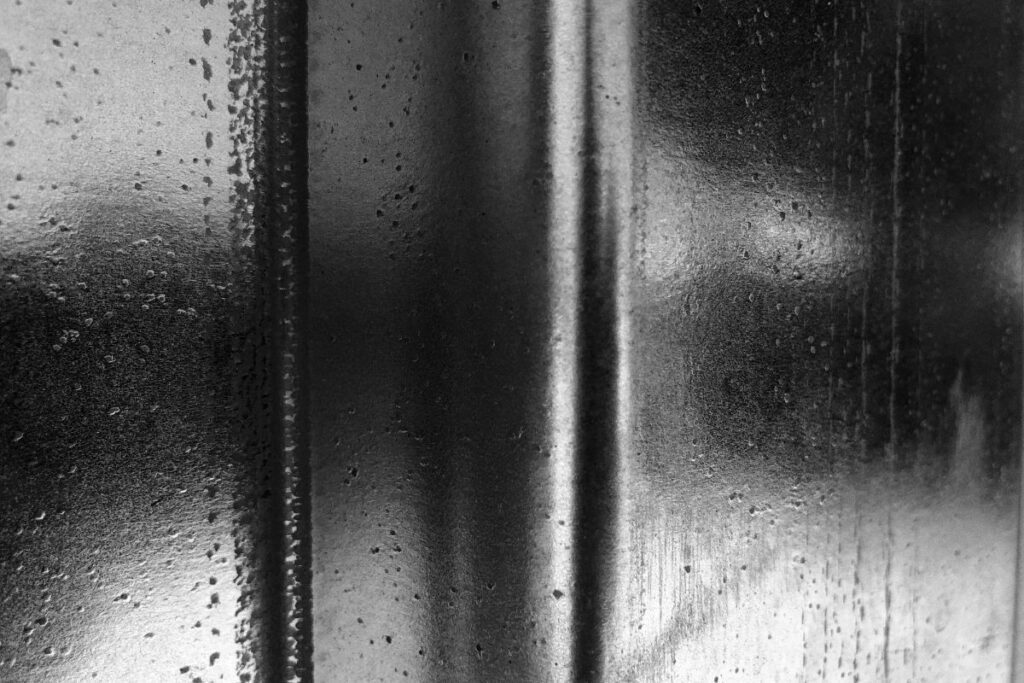
Both Galvalume and galvanized steel feature attractive metallic finishes, though their appearance differs slightly. Galvalume typically exhibits a smoother, more uniform surface with subtle patterns, while galvanized steel often displays a more pronounced spangled texture. These visual differences can influence curb appeal and architectural style.
Painted versions of both materials provide even greater design flexibility. Homeowners can select from a wide range of colors to complement their home’s exterior. Whether you prefer the natural metallic look or a painted finish, both materials offer aesthetic options that suit various architectural styles.
Cost Comparison
Price differences between Galvalume and galvanized roofing are generally modest. Galvalume may cost slightly more because of its advanced coating technology and enhanced corrosion resistance. However, many homeowners consider the difference relatively small when viewed over the expected lifespan of the roof.
Galvanized steel often appeals to those seeking lower upfront costs. For certain applications, the savings may outweigh the benefits of the more expensive option. Understanding both short-term and long-term costs helps you make a decision based on overall value rather than initial pricing alone.
Pros and Cons of Galvalume Roofing
Every roofing material offers advantages and limitations, and Galvalume is no exception. Understanding both sides of the equation allows you to make a balanced and informed choice. Many homeowners appreciate the combination of durability and low maintenance that Galvalume provides.
Advantages of Galvalume
One of the greatest strengths of Galvalume roofing is its outstanding resistance to corrosion. This characteristic contributes to longer lifespans and reduced maintenance expenses. Its reflective properties also improve energy efficiency by reducing heat absorption during warmer months.
Homeowners often appreciate the peace of mind that comes with investing in a durable roofing system. Galvalume’s ability to withstand harsh weather conditions and maintain its appearance over time adds to its appeal. For many people, the long-term benefits justify the slightly higher cost.
Disadvantages of Galvalume
Despite its many strengths, Galvalume is not ideal for every environment. Animal confinement buildings and highly alkaline conditions can accelerate corrosion and reduce its lifespan. Exposed cut edges may also require additional attention to maintain optimal protection.
Another consideration is cost. Although the difference is not dramatic, Galvalume generally costs more than galvanized steel. Homeowners working within tight budgets may find that galvanized roofing provides adequate performance at a lower price point.
Pros and Cons of Galvanized Roofing
Galvanized steel continues to earn praise for its affordability and reliability. Its long history of use demonstrates its effectiveness in a variety of applications. However, understanding its limitations helps ensure realistic expectations.
Advantages of Galvanized
Galvanized steel offers dependable corrosion resistance and often comes with a lower price tag. This affordability makes it attractive for homeowners seeking practical solutions without excessive costs. Its proven performance and widespread availability contribute to its enduring popularity.
Another advantage is its suitability for certain agricultural applications. In some environments, galvanized steel performs exceptionally well and provides excellent value. For utility structures and budget-conscious projects, it remains a highly practical option.
Disadvantages of Galvanized
Compared with Galvalume, galvanized steel generally provides less long-term resistance to corrosion. Over time, the protective zinc coating can wear away, leaving the underlying steel more vulnerable to rust. This process may increase maintenance requirements and shorten the roof’s lifespan.
Homeowners seeking maximum longevity may view this limitation as a drawback. Although galvanized steel remains durable, its performance in humid environments may not match that of Galvalume. Understanding these differences helps you choose the material best suited to your climate and expectations.
Which Performs Better in Different Climates?
Climate often plays a more important role than many homeowners realize. A roofing material that performs exceptionally well in one region may not be the ideal choice in another. Evaluating your local weather conditions helps ensure that your investment delivers the performance you expect.
Humid and Rainy Areas
In humid regions with frequent rainfall, Galvalume generally offers superior corrosion resistance. The aluminum-rich coating provides excellent protection against oxidation, helping the roof maintain its integrity over decades of exposure. Homeowners in these areas often appreciate the reduced maintenance and extended lifespan.
Coastal Environments
Coastal conditions present unique challenges because salt exposure accelerates corrosion. Both Galvalume and galvanized steel require careful consideration in these environments. Specialized coatings and proper maintenance become especially important when installing metal roofs near the ocean.
Snow and Cold Climates
Cold climates with heavy snowfall generally do not pose significant problems for either material. Proper installation and adequate ventilation contribute more to long-term performance than the coating type alone. Both Galvalume and galvanized roofs can provide decades of reliable service when installed correctly.
Agricultural and Animal Buildings
Interestingly, galvanized steel is often preferred for certain agricultural applications. Animal confinement structures can create conditions that are less favorable for Galvalume coatings. Understanding the specific demands of agricultural environments helps ensure that the chosen material performs as intended.
Cost Comparison: Galvalume vs Galvanized Roofing
While cost is always an important consideration, focusing solely on price can sometimes lead to disappointment. Evaluating the total value of a roofing system over several decades provides a clearer picture of the investment involved. In many cases, durability and maintenance savings outweigh small differences in material cost.
Upfront Material Cost
Galvanized steel typically offers a slight advantage in terms of initial cost. Homeowners seeking immediate savings often find it appealing. The lower price can make roofing projects more manageable without sacrificing basic durability.
Installation Cost
Labor expenses are generally similar for both materials. Professional installation remains essential regardless of the coating type because workmanship directly influences long-term performance. Investing in experienced contractors helps maximize the value of your roofing system.
Long-Term Value
Galvalume often delivers better long-term value because of its superior corrosion resistance and longer lifespan. Reduced maintenance and delayed replacement can offset the higher initial investment. For homeowners planning to remain in their homes for many years, these benefits can provide significant financial advantages.
Painted vs Unpainted Galvalume and Galvanized Panels
Both materials are available in natural metallic finishes and painted versions. Painted panels provide additional protection while enhancing curb appeal. Homeowners can choose from numerous colors to complement their home’s design and personal preferences.
Modern paint systems also improve resistance to fading, chalking, and weathering. High-quality coatings can significantly extend the appearance and lifespan of the roof. Whether you prefer a natural finish or vibrant color, choosing a premium paint system often proves worthwhile.
When Should You Choose Galvalume Roofing?
Galvalume roofing is often an excellent choice for residential homes and commercial buildings where long-term durability is a priority. Homeowners who want maximum corrosion resistance and minimal maintenance frequently prefer this option. Its modern appearance and energy efficiency further enhance its appeal.
For those planning to remain in their homes for decades, Galvalume represents a strong investment. The slightly higher cost often becomes insignificant when spread over the roof’s long lifespan. Many homeowners find comfort in knowing their roof is built to withstand years of exposure with minimal concerns.
When Should You Choose Galvanized Roofing?
Galvanized roofing remains an excellent choice for budget-conscious projects and certain agricultural structures. Its affordability and dependable performance make it particularly attractive for garages, barns, sheds, and utility buildings. Homeowners seeking practical solutions often appreciate its value.
In some cases, galvanized steel may be the more appropriate choice based on building use and environmental conditions. Understanding your specific requirements helps determine whether its advantages outweigh the benefits offered by Galvalume. Matching the material to the application ensures better results and greater satisfaction.
Common Mistakes to Avoid
One of the biggest mistakes homeowners make is choosing roofing materials based solely on price. Ignoring climate conditions, warranty coverage, and installation quality can lead to costly problems later. A roof is a long-term investment, and focusing only on initial expenses may result in higher maintenance and replacement costs.
Another common error involves hiring inexperienced contractors. Even the best roofing material cannot compensate for poor workmanship. Taking the time to evaluate both products and professionals carefully helps protect your investment and ensures lasting performance.
How to Choose Between Galvalume and Galvanized Metal Roofing
Choosing between Galvalume and galvanized steel ultimately depends on your climate, building type, and budget. If long-term corrosion resistance and minimal maintenance are priorities, Galvalume often represents the better choice. For utility structures and cost-sensitive projects, galvanized roofing can provide excellent value.
Consulting experienced roofing professionals can help clarify which option best suits your specific needs. Their knowledge of local weather conditions and building requirements can prevent costly mistakes. By considering all factors carefully, you can make a decision that delivers confidence and lasting protection for your property.
Frequently Asked Questions
Is Galvalume better than galvanized roofing?
In many residential applications, Galvalume offers better corrosion resistance and longer lifespan.
Does Galvalume rust?
It can eventually corrode, but it generally resists rust better than galvanized steel.
How long does galvanized metal roofing last?
Galvanized roofs often last 20 to 50 years depending on climate and maintenance.
Is Galvalume good for residential roofing?
Yes, it is one of the most popular materials for residential metal roofs.