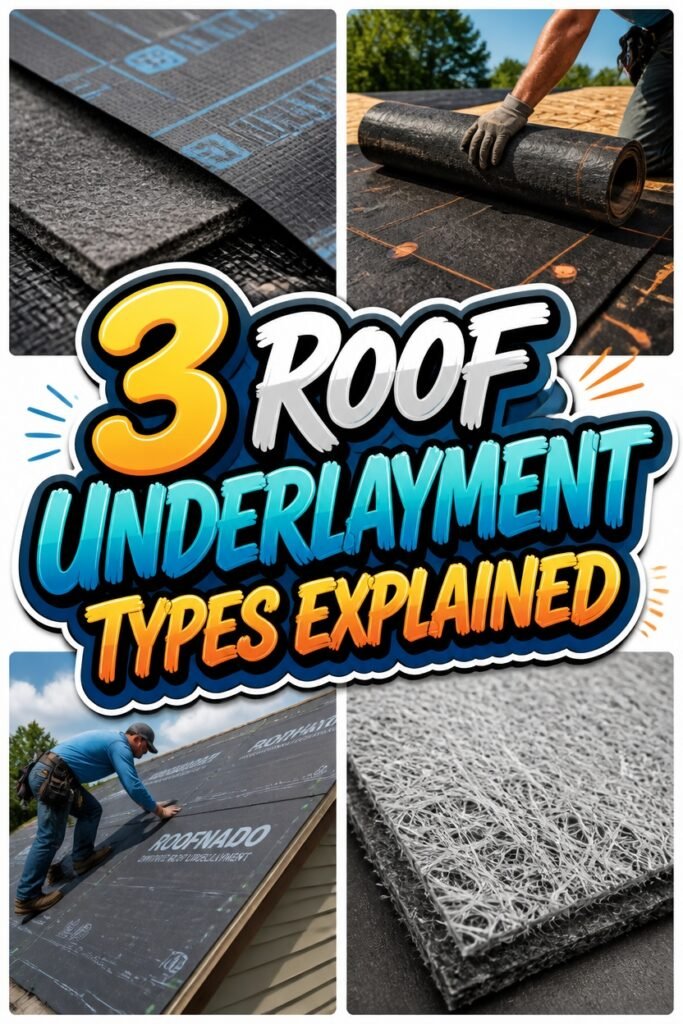
Roof underlayment quietly does one of the most important jobs in your home. Tucked beneath the shingles, it blocks moisture and keeps your structure dry.
You will find three main options on the market. Asphalt-saturated felt has been the standard for decades. Synthetic underlayment offers newer technology and lighter weight. Rubberized asphalt sits at the premium end with superior water resistance.
Each type brings its own balance of cost and longevity. Your local climate and budget will steer you toward the right fit. Some perform better in heavy rain. Others handle extreme heat with ease.
The choice you make shapes both your upfront investment and how well your roof ages over time.
Asphalt-Saturated Felt: The Budget Option and When It Fails
What It Is and What It Costs
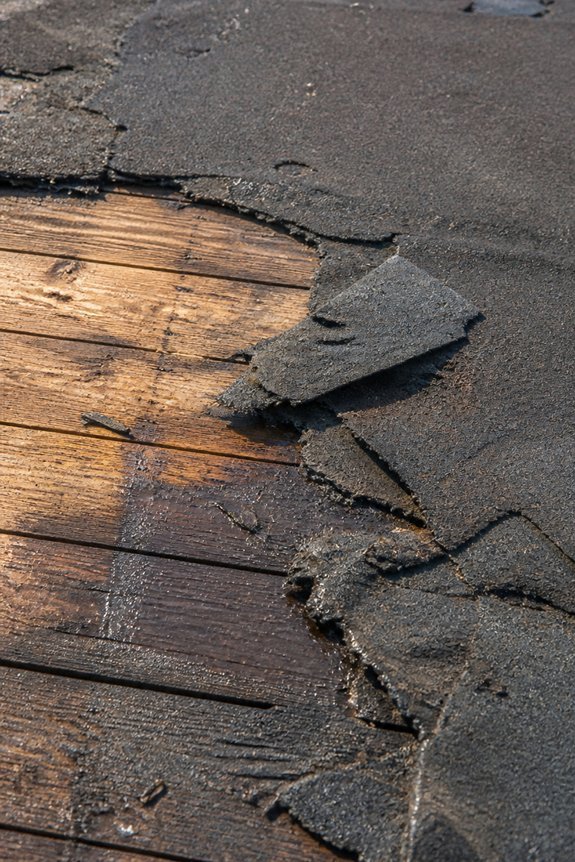
Asphalt-saturated felt goes by many names. You might know it as tar paper or 15-pound felt. It sits beneath your shingles as a moisture barrier. The price tag beats synthetic options by a wide margin.
Where It Falls Short
UV rays make this material brittle. Most installations last 15 to 20 years at best. Hot climates speed up the breakdown. Areas topping 100 degrees regularly see faster deterioration.
Tearing happens easily during installation. High winds can rip it too. Gaps form. Water finds its way through. Once moisture hits the wood decking, rot and mold follow.
Heavy rainfall hurts it. So do big temperature swings. Homeowners in these regions replace it sooner than expected.
How It Compares
Synthetic underlayments last longer. They resist tearing better. You pay more upfront for that performance.
Synthetic Underlayment: Why It Lasts Longer (and Costs More)
Synthetic underlayment offers a step up from traditional felt. It’s made from polypropylene or polyester instead of asphalt. The result is a material that stands up better to sun, moisture, and temperature swings.
Why It Outlasts Felt
Most synthetic products last 25 to 50 years. Traditional felt typically wears out in 15 to 20 years. That extra decade or two makes a real difference for long-term roof protection.
Top brands like GAF Timberline and Owens Corning have engineered these materials to stay flexible in freezing temperatures. They also resist tearing when roofers walk across them during installation.
The Trade-Off
Better performance costs more. Synthetic underlayment runs $0.75 to $1.50 per square foot. Felt usually sells for $0.25 to $0.50.
This price gap shrinks when you consider the bigger picture. Fewer replacements mean fewer labor costs down the road. Less risk of weather damage means fewer emergency repairs.
Best Uses
Synthetic options shine in challenging climates. They handle extreme heat, heavy humidity, and harsh winters with ease.
Homeowners who plan to stay in their homes for decades often prefer the upfront investment. The payoff comes in reliability and peace of mind through every season.
Rubberized Asphalt: Best Protection for Wet and Extreme Climates
Synthetic underlayment works well for most homes. But rubberized asphalt takes things a step further. It blends traditional asphalt with rubber polymers to create something stronger.
This mix forms a self-sealing membrane. Nails and fasteners slip right through, and the material seals around them automatically. No extra steps needed.
Cold weather doesn’t bother this underlayment. It stays flexible when temperatures drop. It also blocks moisture better than standard options.
Where It Works Best
Coastal homes benefit from its water resistance. Areas with heavy rain see fewer leaks. Places with freeze-thaw cycles get extra protection from cracks and gaps.
The material costs $0.75 to $1.50 per square foot. That’s more than felt or synthetic choices. Installation takes care to get the self-sealing feature working right.
Long-Term Value
Expect 20 to 30 years of service in good conditions. For tough climates, that’s solid durability.
Frequently Asked Questions
How Do I Know Which Underlayment Type Is Right for My Specific Roof Pitch?
One determines appropriate underlayment by consulting manufacturer specifications for the roof’s pitch angle, typically measured in rise-to-run ratios. Steeper pitches generally accommodate synthetic or traditional felt, while lower pitches require premium synthetic underlayment for ideal water protection.
Can Underlayment Be Installed Over Existing Underlayment Without Removal?
Like layering clothes before winter, new underlayment can be installed over existing material in most cases. However, removing old underlayment prevents moisture traps and guarantees proper adhesion, making it the preferred practice for longevity.
What Is the Typical Lifespan of Each Underlayment Type?
Asphalt felt typically lasts 15-20 years, synthetic underlayment 25-50 years, and rubberized asphalt offers 20-30 years of protection. Lifespan depends on climate, ventilation, and installation quality.
How Does Underlayment Installation Affect My Roof Warranty Coverage?
Proper underlayment installation is critical for roof warranty validity. Manufacturers typically require certified installation by qualified professionals following their specifications. Improper installation voids coverage, making professional application essential for maintaining full warranty protection.
Are There Environmental or Sustainability Differences Between Underlayment Materials?
Synthetic underlayment production generates 40% less waste than traditional felt. Synthetic materials offer superior recyclability and longer lifespan, reducing replacement frequency. Felt options use natural fibers but require more frequent replacement, increasing environmental impact over time.
Conclusion
Choosing roof underlayment requires balancing budget, climate, and durability needs. Asphalt-saturated felt serves as the foundation for cost-conscious homeowners, though it demands replacement within two decades. Synthetic options provide longer protection, justifying higher initial costs. Rubberized asphalt stands as the anchor in challenging weather conditions. Each type serves specific purposes; selecting the right underlayment protects homes from moisture infiltration and extends roofing system longevity.