
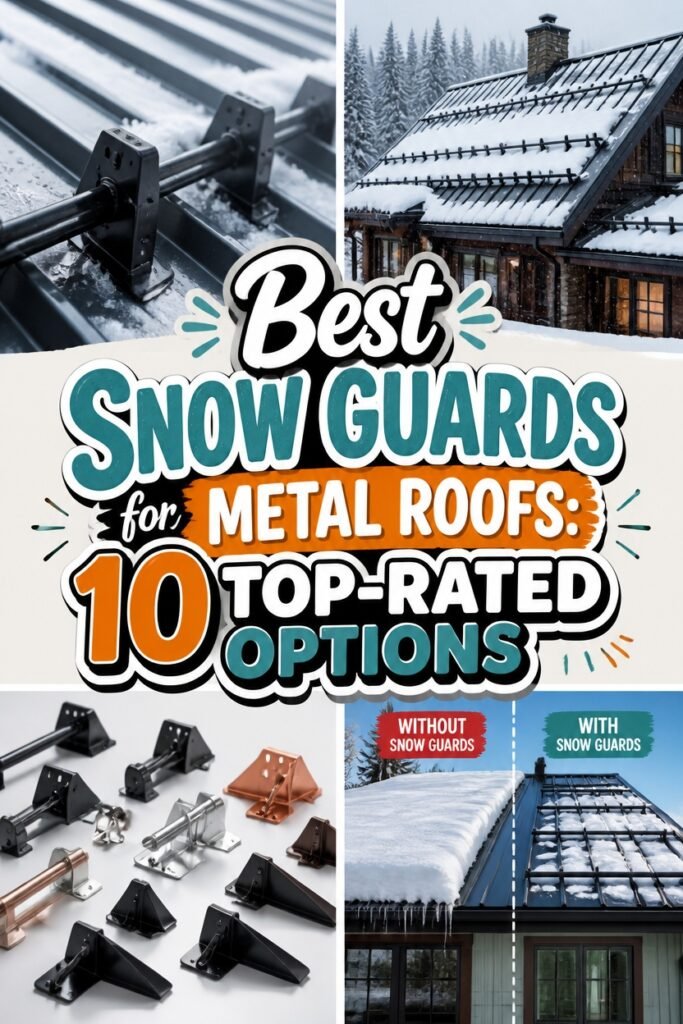
Metal roofs have a sleek, modern look. They also send snow sliding off in sheets. That sudden avalanche can damage landscaping, block entryways, or hit someone walking below.
Snow guards solve this quietly. They hold snow in place so it melts gradually or sheds in smaller amounts. You will find everything from simple pad-style pieces to fancy systems with built-in heating.
Climate matters here. A steep roof in heavy snow country needs something different than a gentle slope in occasional flurries.
So does your budget. The good news? There is a solid option for almost every situation.
Why Metal Roofs Create Snow Avalanches
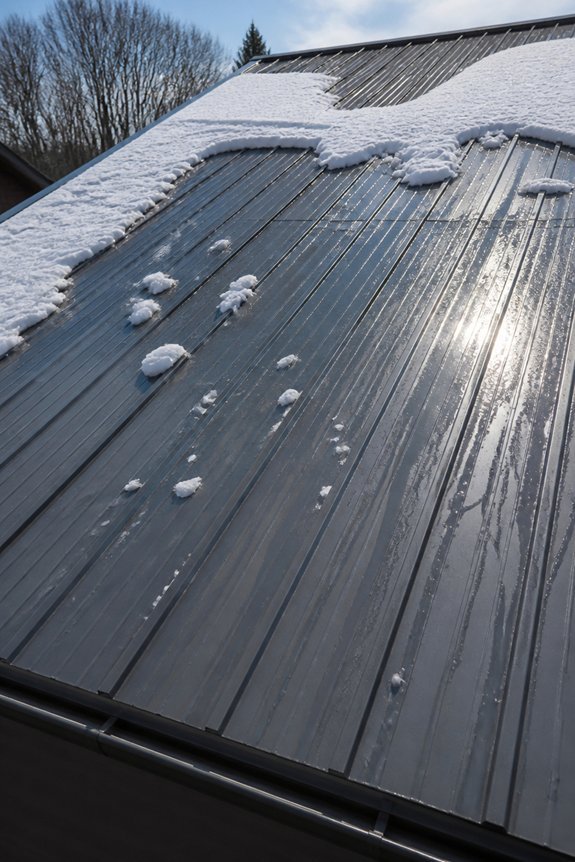
Why do metal roofs shed snow so differently?
Metal roofs have smooth, slippery surfaces. Snow slides across them with ease. Asphalt shingles and wood grip snow particles instead. That difference matters.
Temperature changes cause metal to expand and contract. This movement loosens snow bonds even more. Heat from inside your building adds another factor. It melts the bottom snow layer, creating a slick surface underneath.
Metal lacks texture. Other roofing materials provide natural resistance. Metal offers almost none. These conditions combine quickly. Snow can release all at once.
The result is sudden, heavy snow masses. They drop from rooflines without warning. People below can get hurt. Property can suffer damage. This avalanche risk makes metal roofs unique compared to traditional options.
Choose by Climate, Budget, and Install Method
Climate zones shape your guard choice. Heavy snow areas need robust pipe or snow fence guards. Moderate climates work well with lighter wire or tape options.
Match Your Budget
Adhesive guards run $20-50 for affordability. Installed metal systems range $500-1,500. Material quality scales with your investment.
Pick Your Install Method
Adhesive guards need minimal tools. You skip roof penetration entirely. Mechanical fasteners require drilling yet deliver permanent attachment. Professional installation adds cost but ensures proper placement.
Final Selection Tips
Check your roof pitch first. Verify snow load capacity. Study local weather patterns. Bring together climate data, available funds, and your install capability. This combination yields the best snow guard choice for metal roofs.
Passive Snow Guards: Affordable Protection
Most passive snow guards use simple designs to slow or redirect snow. They have no moving parts. This makes them an affordable choice for metal roofs. Individual units typically run between $15 and $50. The final price depends on size and material.
Common Types
Pad-style guards attach flat to the roof surface. They are made from rubber or plastic. These create friction that holds snow in place.
Snow fences feature vertical slats spaced across the roof. They divide large snow piles into smaller, manageable sections.
Pipe-style guards use horizontal tubes. These catch and break up sliding snow before it can build momentum.
Installation and Performance
Installation requires basic fastening to the roof deck. Most homeowners can handle placement along lower roof sections. No special skills are needed.
Passive guards work best in moderate snow climates. Regular melt cycles help them perform well. They need no maintenance or power to function.
Active Snow Guards: Premium Heavy-Snow Systems
Active snow guards use mechanical systems and heating elements to manage heavy snow. They offer more control than passive designs. These systems use electric cables or heated mats to melt snow at the roof edge. This prevents dangerous slides.
Heated cable systems from companies like Warmzone require professional installation. The cables turn on during snow events. They create drainage channels that direct melting water downward safely.
Some active guards combine physical barriers with motorized parts. Sensors detect snow depth and trigger controlled releases. This prevents sudden, dangerous slides.
Active systems work best in high-snow regions. They also suit buildings with pedestrian areas below or structures at risk of snow damage. Operating costs run higher than passive options. For vulnerable locations, the added protection makes sense.
Roof Clips and Brackets: DIY Options
Roof clips and brackets give homeowners a simple way to install snow guards themselves. These devices fasten directly to metal roofing panels with basic hardware. Common styles include L-brackets, U-clamps, and rail systems. Each type suits different panel shapes and snow loads.
—
Planning Your Installation
Start by measuring your roof carefully. Then pick bracket spacing that matches your snow load needs. Most brackets go 24 to 36 inches apart along the eave. Always check that your fasteners work with your roofing material. This step prevents leaks and rust down the road.
—
Budget-Friendly Choices
Angle iron brackets and adjustable clamps save money compared to pro installations. They work well when you pay close attention to placement and sealing. Double-check your weatherproofing for the best results.
Tubular Guards: Durable Long-Term Performance
Tubular guards give homeowners a reliable way to keep snow on metal roofs. These cylindrical tubes come in aluminum or steel. They mount horizontally in parallel rows across the roof.
The guards break large snow piles into smaller pieces. Snow slides down slowly instead of falling in sudden avalanches. The tubes handle freeze-thaw cycles and heavy loads without wearing down.
Installation requires drilling into the roof. Fasteners need proper sealing to prevent leaks. CertainTeed and Berger make pre-fabricated systems for specific roof types.
Check the guards occasionally for debris buildup. Look for rust or corrosion during inspections. Most systems last 15 to 20 years. They offer solid value for homes in snowy regions.
Fence-Style Guards: Maximum Load Capacity
Fence-style guards handle heavy snow better than most retention systems. Vertical rails mount across your roof to create solid barriers. They hold substantial snow weight before any release occurs.
These guards typically support 50 to 100 pounds per linear foot. Spacing and materials affect the exact capacity. Metal construction, usually aluminum or steel, delivers real durability.
The design allows snow to melt in a controlled way. Shedding happens gradually instead of all at once. This prevents dangerous avalanches from your roof.
Installation requires careful bracket placement. Space them 24 to 36 inches apart for best results. Standing seam metal roofs work particularly well with these systems.
Steep pitches benefit most from fence-style guards. Heavy snow loads become manageable risks instead of hazards.
Maintenance stays simple over time. Just clear debris from between the rails occasionally.
DIY or Pro: Installation Complexity and Costs
Fence-style snow guards require a choice. You can hire professionals or do the work yourself. This depends on your roofing experience, available tools, and budget.
Professional installation runs $15 to $30 per linear foot. Labor costs vary by region and roof complexity. Steeper pitches take more time and skill.
DIY materials cost $5 to $10 per linear foot. You will need safety equipment, metal fasteners, and roofing sealant.
Inexperienced homeowners should hire pros. Improper mounting reduces effectiveness and can damage your roof.
Skilled carpenters may manage the job alone. Working at heights remains dangerous even for experienced hands.
Contact local contractors for estimates. Ask if your roof structure can handle the extra hardware without changes.
How to Compare Snow Guards Side by Side
Start with Your Purpose****
Different snow guard styles suit different needs. Focus on what matters most for your home. Consider material composition, installation requirements, price range, and roof compatibility.
Budget Basics
Pad-style guards run $200–$500 for residential roofs. Rail systems cost more, typically $800–$2,000. Professional installation adds $400–$1,500 depending on roof size and complexity.
Check Your Climate****
Assess snow load capacity for your region. Review how much weight each product handles. This step protects your investment and your roof.
Match Guard to Roof
Standing seam metal roofs need different guards than corrugated panels. Compatibility prevents problems later. Double-check fit before you buy.
Compare Quality
Durability varies by material. Stainless steel outlasts galvanized options. Read manufacturer specs, warranty terms, and customer reviews. These details reveal real-world performance.
Maintenance Tips and Guard Lifespan
Regular inspection and cleaning extend snow guard performance. Check your guards every three months. Remove debris, ice, and snow that blocks proper function.
Metal guards develop rust over time. This happens faster near coasts or in damp climates. Treat rust quickly with sealants. Replace guards when corrosion becomes severe.
Most quality snow guards last ten to twenty years. Material and climate affect this timeline. Galvanized steel resists rust better than painted guards. Aluminum holds up best in corrosive environments.
Fasteners wear down gradually. Tighten or replace them to keep guards secure.
Winter storms can cause sudden damage. Inspect guards after heavy snow or wind. Bent, cracked, or loose guards stop working right away. Professional installation helps guards last longer.
Keep records of inspections and repairs. This paperwork supports warranty claims. It also helps you plan for replacements.
Frequently Asked Questions
What Is the Typical Cost Difference Between Passive and Active Snow Guard Systems?
Passive snow guards typically cost $3 to $8 per linear foot, while active systems range from $15 to $30 per linear foot. Active systems command premium pricing due to their mechanical components and heated elements requiring more complex installation.
Can Snow Guards Be Installed on Existing Metal Roofs Without Roof Damage?
Yes, snow guards can be installed on existing metal roofs without damage. Professional installation using appropriate fastening methods and sealants guarantees secure attachment while preserving roof integrity and preventing leaks or structural compromise.
Do Snow Guards Require Permits or Building Code Approval Before Installation?
While some assume snow guards require minimal oversight, building permits and code approval are typically necessary. Local jurisdiction requirements vary, making it essential to consult municipal building departments before installation to guarantee compliance and safety standards.
Which Snow Guard Type Works Best for Metal Roofs in Wet, Heavy Snow Climates?
Pipe-style snow guards perform best in wet, heavy snow climates on metal roofs. Their tubular design creates space beneath accumulated snow, allowing gradual melting and drainage while preventing dangerous avalanche-style slides.
How Often Should Snow Guards Be Inspected for Rust or Structural Damage?
Snow guards require inspection twice yearly—once before winter and again in spring. Additional checks are recommended after heavy storms or extreme weather events. Property owners should monitor for rust, loose fasteners, and structural integrity.
Conclusion
Selecting appropriate snow guards requires evaluating climate conditions, budget constraints, and installation capabilities. Passive systems offer cost-effective solutions for moderate snow areas, while active heated guards protect high-load regions. Metal roofs demand specific guard types—pad-style, pipe-style, or fence designs—based on avalanche risk and property vulnerability. Homeowners must weigh durability, material compatibility, and maintenance requirements against installation complexity and long-term performance expectations.