If you have ever driven past a farm, workshop, or spacious garage and wondered how those large yet simple-looking structures are built, chances are you were looking at a pole barn. Over the years, pole barns have evolved far beyond their agricultural origins and are now used for everything from storage buildings and horse barns to garages, workshops, and even residential homes.
Their popularity comes from a combination of affordability, flexibility, and impressive durability. Whether you are planning to protect farm equipment, create a hobby space, or build additional storage for your property, understanding what a pole barn is and how to construct one can help you turn an idea into a practical and long-lasting investment.
What Is a Pole Barn?
A pole barn is a type of post-frame structure that relies on large vertical posts buried in the ground or anchored to a foundation. Unlike traditional buildings that use continuous concrete foundations and closely spaced wall studs, pole barns distribute structural loads through strategically placed posts and roof trusses. This method simplifies construction while reducing material and labor costs. Many homeowners appreciate that pole barns provide large open interiors without requiring numerous load-bearing walls, making them extremely versatile.
Modern pole barns are no longer limited to agricultural settings. Today, they are used as garages, workshops, recreational buildings, commercial facilities, and even residential homes. Their adaptability allows owners to customize layouts and features according to their needs. This flexibility has contributed significantly to their growing popularity across both rural and suburban communities.
Advantages of Building a Pole Barn
One of the biggest reasons people choose pole barns is the impressive balance between cost and functionality. These structures provide exceptional value while maintaining flexibility and durability. Whether you are building on a large rural property or adding storage to your backyard, pole barns offer several advantages worth considering.
Lower Construction Costs
Compared to traditional buildings, pole barns generally require fewer materials and less labor. The absence of a full concrete foundation contributes significantly to cost savings. For many property owners, this affordability makes larger buildings financially feasible.
Reducing construction expenses does not necessarily mean sacrificing quality. Modern materials and engineering techniques allow pole barns to provide decades of dependable performance. Many homeowners appreciate being able to allocate savings toward additional features or future upgrades.
Faster Construction Time
Pole barns are known for their relatively quick construction schedules. Because fewer components are involved, the building process tends to move efficiently. Weather permitting, some structures can be completed in a matter of weeks rather than months.
This shorter timeline benefits both homeowners and contractors. Less time spent on construction often translates into lower labor costs and reduced disruption. Watching a building come together quickly can also be deeply satisfying and keeps enthusiasm high throughout the project.
Flexible Design Options
One of the greatest strengths of pole barn construction is design flexibility. Open floor plans and clear-span interiors provide tremendous freedom when arranging workspaces or storage areas. You can easily customize dimensions, door locations, and interior layouts to suit your specific needs.
This adaptability becomes especially valuable when your requirements change over time. Many owners appreciate the ability to add lofts, partitions, or utility systems later. A well-designed pole barn can evolve alongside your needs and continue providing value for decades.
Durability and Low Maintenance
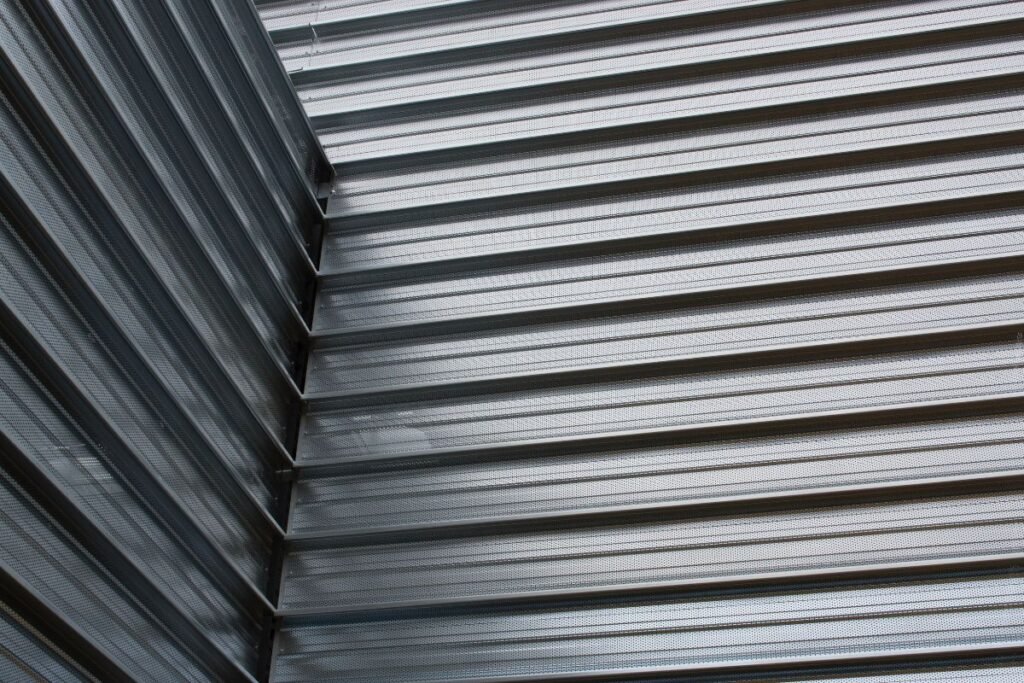
Modern pole barns often utilize metal roofing and siding, which offer excellent resistance to weather and pests. Properly constructed buildings require minimal maintenance and provide long service lives. Homeowners who value reliability often find this aspect particularly appealing.
Investing in quality materials helps maximize durability and reduce future repair costs. Routine inspections and basic maintenance are usually sufficient to preserve the building’s appearance and functionality. This combination of strength and simplicity contributes to the enduring popularity of pole barns.
Planning Your Pole Barn Project
Careful planning is one of the most important steps in the entire process. Defining your goals, understanding local regulations, and establishing a realistic budget help prevent costly mistakes later. Thoughtful preparation often determines whether the finished building meets your expectations.
Determine the Purpose of the Building
Before choosing dimensions or materials, you should identify how the building will be used. Storage requirements differ significantly from those of workshops or livestock facilities. Understanding the intended purpose helps guide decisions regarding size, layout, and utilities.
Thinking about future needs is equally important. Many homeowners discover that they outgrow their original plans sooner than expected. Allowing for potential expansion provides flexibility and helps protect your investment.
Choose the Right Size
Building dimensions influence both functionality and cost. Larger structures offer more flexibility but naturally require additional materials and labor. Determining the appropriate width, length, and wall height ensures the building meets your needs without exceeding your budget.
It can be tempting to build only for immediate requirements, but thinking ahead often proves beneficial. Slightly larger dimensions may add relatively little to overall costs while significantly improving usability. Careful sizing helps maximize long-term value.
Check Local Building Codes and Permits
Building codes and permit requirements vary considerably depending on location. Understanding these regulations before beginning construction helps avoid delays and unexpected expenses. Many municipalities require inspections to ensure compliance with safety standards.
Working with knowledgeable professionals simplifies this process and reduces stress. Permits may feel like an inconvenience, but they protect both your investment and the structural integrity of the building. Taking this step seriously contributes to a smoother construction experience.
Establish a Budget
Creating a realistic budget involves considering more than just materials. Site preparation, labor, permits, and interior finishing all contribute to the total cost. Many homeowners are surprised by how quickly expenses can increase when additional features are added.
Building a contingency fund into your budget provides flexibility and helps manage unexpected costs. Planning carefully allows you to prioritize essential features and avoid financial strain. A well-prepared budget contributes to a more enjoyable and successful project.
Materials Needed to Construct a Pole Barn
Choosing quality materials is essential for ensuring durability and long-term performance. Structural posts, roof trusses, metal panels, and doors all play important roles in the building’s functionality. Selecting the right components helps create a structure that will serve you reliably for many years.
Structural Posts and Columns
Posts form the backbone of a pole barn and bear the majority of structural loads. Treated wood posts remain the most common option because they provide excellent strength and resistance to decay. Laminated columns offer additional stability and are frequently used in larger buildings.
Investing in high-quality structural components provides confidence and peace of mind. These elements support the entire building, making their durability especially important. Proper installation further enhances performance and longevity.
Trusses and Framing Components
Roof trusses provide support for the roofing system and contribute to the building’s overall stability. Bracing and framing components work together to resist wind and snow loads. Proper engineering ensures the structure remains safe and durable under varying conditions.
Many property owners underestimate the importance of these hidden elements. Although they may not be visible once construction is complete, they are essential for maintaining structural integrity. Quality framing provides the foundation for decades of dependable service.
Roofing and Siding Materials
Metal panels are the preferred choice for many pole barns because they offer excellent durability and low maintenance. Galvalume and galvanized steel are popular options that provide strong resistance to corrosion and weather damage.
The quality of coatings and paint systems also affects longevity. Investing in premium materials helps preserve appearance and reduce maintenance requirements. These choices contribute significantly to the building’s overall value.
Doors, Windows, and Trim
Doors and windows influence both functionality and aesthetics. Overhead garage doors, sliding doors, and walk-in entrances can all be customized to suit your needs. Proper ventilation and natural lighting improve comfort and usability.
Thoughtful placement of openings enhances efficiency and convenience. Balancing practicality with appearance helps create a building that is both attractive and functional. These features often have a greater impact on daily use than many people initially realize.
Concrete, Gravel, and Flooring Options
Flooring choices depend largely on how the building will be used. Gravel floors provide economical solutions for storage buildings and agricultural applications. Concrete slabs offer improved durability and are ideal for garages and workshops.
Some owners choose hybrid approaches that combine different flooring types. Evaluating your specific requirements helps determine which option provides the best balance between cost and functionality. Proper flooring enhances both usability and long-term value.
How to Construct a Pole Barn Step by Step
Building a pole barn involves a sequence of carefully planned stages. Each step contributes to the stability and performance of the finished structure. Patience and attention to detail are essential throughout the process.
Step 1: Prepare the Site
Begin by clearing vegetation and grading the building area. A level and well-drained site creates a strong foundation for the entire project. Proper preparation helps prevent future water problems and structural issues.
Step 2: Mark the Layout
Accurate measurements ensure the building remains square and properly aligned. Careful layout work simplifies later stages and improves the overall appearance of the structure. Precision during this phase contributes to better results.
Step 3: Install the Posts
Posts are placed into holes and secured to create the primary framework. Proper alignment and spacing are critical for structural stability. Taking time to verify measurements helps prevent problems later.
Step 4: Install Trusses and Framing
Roof trusses and support beams are attached to create the skeletal structure. Bracing adds additional strength and resistance to environmental loads. This stage marks the transition from groundwork to visible construction.
Step 5: Add Roofing Materials
Metal roofing panels are installed along with ridge caps and flashing. Proper fastening and alignment ensure weather resistance and durability. Attention to detail during this stage helps prevent leaks and maintenance issues.
Step 6: Install Wall Panels
Siding panels protect the building from the elements and enhance appearance. Proper overlaps and fastening patterns contribute to both performance and aesthetics. Consistency during installation produces professional-looking results.
Step 7: Install Doors and Windows
Doors and windows improve accessibility and comfort. Proper flashing and sealing prevent moisture intrusion and enhance energy efficiency. These features transform the structure into a practical and usable space.
Step 8: Finish the Interior
Insulation, electrical wiring, lighting, and storage systems complete the building. Interior finishing allows you to customize the space according to your needs. Thoughtful planning ensures maximum functionality and convenience.
Pole Barn Foundation Options
Traditional post-in-ground construction remains one of the most popular methods because it combines simplicity with affordability. Concrete slabs provide added durability, while gravel floors offer budget-friendly alternatives. Each option has advantages depending on intended use and budget considerations.
Selecting the appropriate foundation helps ensure long-term performance. Evaluating drainage conditions and structural requirements allows you to make informed decisions. Proper foundations contribute significantly to overall durability.
Pole Barn Cost Considerations
Building size, material quality, labor expenses, and interior finishing all influence costs. Site preparation and utility installation can also add significantly to the budget. Understanding these variables helps establish realistic expectations and avoid surprises.
Comparing estimates and prioritizing features allows you to balance affordability with functionality. Investing wisely ensures that your pole barn delivers lasting value. Thoughtful budgeting contributes to a more successful project.
DIY Pole Barn Construction vs Hiring a Contractor
Constructing a pole barn yourself can provide satisfaction and cost savings, particularly for smaller projects. However, larger structures and complex designs often benefit from professional expertise. Safety considerations and local code requirements also play important roles.
Hiring experienced builders can simplify the process and reduce stress. Professional workmanship often results in higher quality and fewer long-term issues. Evaluating your skills and available time helps determine which approach is best.
Pole Barn Maintenance Tips
Routine inspections help identify minor issues before they become expensive problems. Checking roofing, siding, posts, and drainage systems periodically preserves both appearance and functionality. Prompt repairs help extend the life of the structure.
Maintaining gutters and controlling moisture are especially important. Simple maintenance practices can add decades to the lifespan of a pole barn. Consistency and attention to detail help protect your investment for many years.
Frequently Asked Questions
What is a pole barn?
A pole barn is a post-frame building supported by large structural posts and roof trusses.
Is a pole barn cheaper than a traditional building?
Yes, pole barns are generally more affordable because they require fewer materials and simpler foundations.
How long does it take to build a pole barn?
Construction timelines vary, but many projects are completed within a few weeks.
How long do pole barns last?
With proper maintenance, pole barns can last 40 to 60 years or more.