
Metal to wood screws solve a very specific problem in home projects, and most of us only notice them when something goes wrong.
You have a sleek metal hinge or bracket that needs to live on a wooden door or wall. Standard screws might work for a while, but they loosen over time. The right fasteners keep everything steady through everyday use and the occasional slammed cabinet.
Choosing the correct size matters more than you might expect. A screw that’s too long splits the wood. One that’s too thin pulls out under pressure. Getting this detail right saves you from repairs later.
These screws work beautifully for brackets, hinges, and light hardware.
For heavier loads, anchors or bolts might suit you better. Knowing the difference keeps your weekend projects firmly in place.
How Metal to Wood Screws Differ From Standard Fasteners
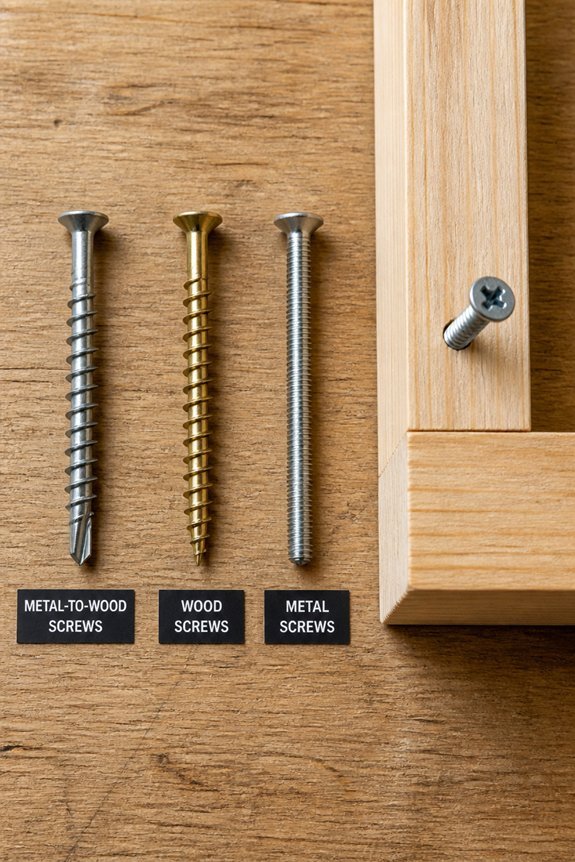
Metal to wood screws serve a distinct purpose. They stand apart from standard fasteners in several key ways.
These screws feature a sharp point and coarse threading. They’re designed to pierce wood fibers directly, often without pilot holes. The threading runs deeper and more aggressive than standard wood screws. This design grips wood effectively for a secure hold.
The tip punctures wood surfaces cleanly. It reduces splitting and minimizes material damage. You get cleaner results with less prep work.
You’ll notice these screws typically have washer heads or pan heads. These shapes distribute pressure across wider areas than conventional fasteners. The construction accounts for wood’s unique properties. It delivers superior holding power for metal-to-wood connections.
Think hinges, brackets, and hardware installations. These screws excel in situations where metal meets wood.
Metal to Wood Screws vs. Anchors and Bolts: When to Use Each
Three main options exist for fastening metal to wood: screws, anchors, and bolts. Each serves a different purpose based on your project needs.
Metal to Wood Screws
These work well for general tasks with moderate holding power. Attach hinges, brackets, or light fixtures quickly and easily. They offer convenience and speed for standard projects.
Anchors
Use anchors when screws alone won’t provide enough support. They work especially well in hollow walls or weaker materials. Anchors expand holding power without much preparation.
Bolts
Bolts deliver maximum strength for heavy-duty connections. They need pre-drilled holes and nuts on the opposite side. Choose these for demanding industrial or structural jobs.
Making Your Choice
Consider load capacity, material thickness, and accessibility. Match the fastener to your specific task for the best results.
When to Use Metal to Wood Screws on Your Project
When Metal to Wood Screws Shine
Screws are a solid choice for all kinds of home projects. Metal to wood screws really stand out when you need to attach metal to timber. Think hinges on cabinets, brackets on studs, or flashing on roofs. These fasteners handle moderate loads and come out easily when you need to make changes.
They also work great where vibration is a concern. Fence hardware and deck railings stay put thanks to their grip. You will need to drill pilot holes first. This keeps the wood from splitting and gives you a clean, straight entry.
Best Uses Around the Home
These screws fit projects where exposed fasteners are fine. Metal trim, decorative hardware, and visible brackets all look fine with them in place. They are perfect for jobs that need upkeep now and then. Temporary builds and semi-permanent setups that might need tweaks later are right in their wheelhouse.
Choosing the Right Size and Gauge
The wrong fastener size can weaken your project. Select screw dimensions based on your materials and expected load.
Gauge numbers run from 2 to 16. Higher numbers mean thicker screws. Light-duty tasks suit gauges 6 through 8. Medium-duty work calls for gauges 10 or 12. Heavy jobs need gauges 14 or 16.
Length depends on material thickness and required penetration. Pick a screw that sinks 1.5 inches into wood substrates. Softer woods may need less. Thicker metal sheets also require larger gauges to avoid stripping threads.
Installing Metal to Wood Screws: A Step-by-Step Guide
Proper installation starts with preparing both surfaces. This prevents damage and creates a secure hold. Clean the metal piece first. Remove any dirt, rust, or debris that could weaken your connection. Mark your drilling point on the wood with a pencil. This small step improves accuracy and saves time.
Choose a drill bit slightly smaller than your screw diameter for the pilot hole. This simple choice helps prevent the wood from splitting. Insert the screw through the metal and into the prepared hole. Turn it clockwise with steady, even pressure.
Stop before overtightening. Forcing the screw too far can strip the wood or bend your metal bracket. A power drill with adjustable torque settings works well here. Let the screw seat fully on its own. Trust the tool and the materials to do their job together.
Why Your Screw Won’t Hold: Common Failures and Fixes
Metal-to-wood screws can fail even with good technique. Material conflicts, skipped prep steps, and stress all play a role.
Wood moves. It shrinks and swells with humidity changes. This creates gaps around screws that loosen over time.
Small pilot holes are essential. Without them, wood splits. Split fibers can’t grip threads properly.
Match your screw to the job. Sheet metal screws in hardwood strip out easily. They weren’t designed for dense material.
Corrosion sneaks in when bare metal meets damp wood. The screw weakens from the inside out.
Stop at the right depth. Overdriving crushes the surrounding wood. Once crushed, that wood can’t hold anything.
Choose the right gauge for your load. Drill pilot holes to match. Seal the wood to block moisture. In humid spots, reach for stainless steel or coated fasteners.
Check your work now and then. Tighten what loosened. Replace what’s worn. Catching problems early prevents bigger headaches later.
Troubleshooting: Diagnosis and Quick Solutions
Three Key Areas to Check
Start with the screw itself. Look for bends or stripped threads. These usually mean too much force was used or the wrong screw was chosen.
Next, examine the wood. Moisture damage, rot, or softness will ruin holding power. Weak wood simply cannot grip metal threads properly.
Finally, review your installation method. Screws that pull out often lack adequate thread engagement. They might also be too short for the job.
—
Quick Fixes That Work
Upgrade to thicker screws when possible. Moving from a #8 to a #10 diameter adds noticeable strength.
Relocate to denser wood nearby if the original spot keeps failing. This simple change solves many repeated problems.
Fill stripped holes with wooden toothpicks or small dowels. This restores grip without starting over.
Slow down your installation speed. Fast drilling shears metal fasteners before they seat properly.
Pre-drill pilot holes in hardwoods. This prevents splitting and helps screws seat smoothly without resistance.
Frequently Asked Questions
Are Metal to Wood Screws Suitable for Outdoor Applications Exposed to Weather?
Metal to wood screws require protective coatings for outdoor weather exposure. Stainless steel or galvanized varieties resist corrosion effectively. Uncoated screws deteriorate quickly from moisture and temperature fluctuations, compromising structural integrity.
Can Metal to Wood Screws Be Removed and Reused Multiple Times?
Like a bridge crossed repeatedly, metal-to-wood screws gradually weaken with each removal. They can be reused a few times, but stripped threads and material fatigue reduce holding power considerably after multiple extractions.
What Is the Cost Difference Between Metal to Wood Screws and Alternatives?
Metal to wood screws typically cost 15-30% more than standard wood screws but less than specialty fasteners. The price difference justifies their superior holding power and corrosion resistance in demanding applications.
Do Metal to Wood Screws Require Pre-Drilling in Hardwood Materials?
A contractor installing cabinet hardware into oak discovered that pre-drilling prevented splitting. Metal-to-wood screws generally require pre-drilling in hardwoods to prevent material damage and guarantee proper fastening performance.
Which Brands Offer the Best Quality Metal to Wood Screws?
Several manufacturers produce premium metal-to-wood screws. Spax, GRK, and Fas-Tite are recognized for superior quality and reliability. Stainless steel options from these brands offer excellent corrosion resistance and holding power for demanding applications.
Conclusion
Metal to wood screws provide reliable connections for moderate-load applications, including fence hardware, deck railings, and mounting brackets. Studies indicate that approximately 60 percent of fastener failures result from improper pilot hole preparation. Users who follow correct sizing, gauge selection, and installation procedures experience markedly reduced loosening and wear. Regular inspections maintain connection integrity over time.